
Tyran huppé vs Passerin nonpareil
Myiarchus crinitus contre Passerina ciris
Faire un quiz avec Tyran huppé et Passerin nonpareil
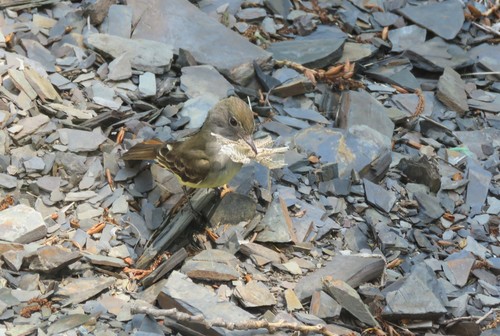 Tyran huppé
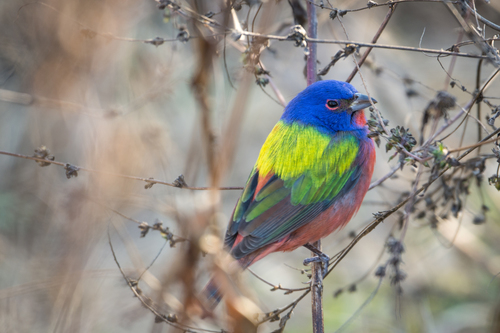 Passerin nonpareil
En bref
Le Tyran huppé et le Passerin nonpareil se distinguent facilement par leur plumage : le tyran est principalement brun et jaune, tandis que le passerin est connu pour ses couleurs vives, surtout chez les mâles. Ils diffèrent également considérablement par leurs préférences d'habitat et leur comportement, le tyran préférant les zones boisées et le passerin se trouvant souvent dans des environnements plus ouverts et buissonneux.
Conseils d’identification
Recherchez le plumage brun et jaune du Tyran huppé et sa crête dans les zones boisées. En revanche, cherchez les couleurs vives du Passerin nonpareil dans des habitats ouverts et buissonneux. Les couleurs vives du mâle Passerin nonpareil sont indéniables, tandis que les femelles et les immatures sont verdâtres mais restent distinctes du tyran.
Plumage
Le Tyran huppé a un corps supérieur brunâtre avec un ventre jaune pâle et une crête distinctive. En revanche, le Passerin nonpareil, surtout le mâle, est coloré de manière vive avec une tête bleue, un ventre rouge et un dos vert. Les femelles et les immatures de Passerin nonpareil sont plus discrètes, avec un plumage verdâtre, mais diffèrent toujours nettement de la coloration du tyran.
Habitat
Les Tyrans huppés se trouvent généralement dans des zones boisées, tandis que les Passerins nonpareils préfèrent des habitats plus ouverts et buissonneux, souvent près de l'eau. Cette différence d'habitat peut être un indice utile lors de l'identification de ces espèces.