
Indicador Grande vs Tejedor Cabecirrojo
Indicator indicator frente a Anaplectes rubriceps
Juega un quiz con Indicador Grande y Tejedor Cabecirrojo
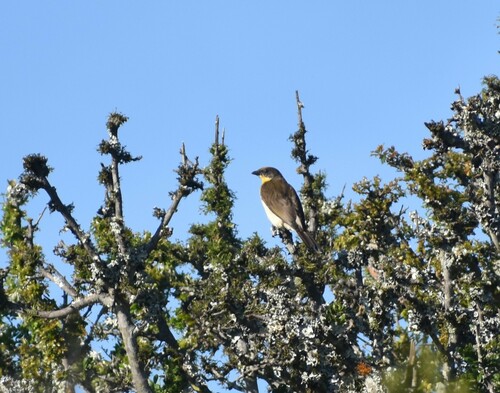 Indicador Grande
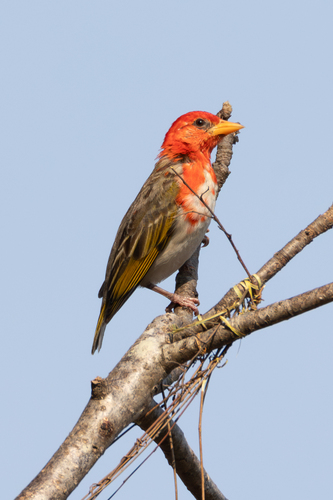 Tejedor Cabecirrojo
En breve
El Indicador Grande y el Tejedor Cabecirrojo son distintos en apariencia y preferencias de hábitat. El Indicador Grande es conocido por su papel en guiar a los humanos hacia los nidos de abejas, mientras que el Tejedor Cabecirrojo es notable por su llamativa cabeza roja y sus intrincadas costumbres de construcción de nidos.
Consejos de identificación
Busca la cabeza roja: El Tejedor Cabecirrojo tiene una llamativa cabeza roja, especialmente en los machos, que está ausente en el Indicador Grande. Observa el comportamiento: Si el pájaro está guiando a humanos o animales hacia nidos de abejas, es probable que sea un Indicador Grande. Verifica el hábitat: Si estás en una sabana o bosque bien arbolado, podrías estar observando un Tejedor Cabecirrojo.
Plumaje
El Indicador Grande carece de la vibrante cabeza roja del Tejedor Cabecirrojo. En cambio, tiene un plumaje más apagado, que generalmente es menos colorido. El Tejedor Cabecirrojo, especialmente los machos, tienen una cabeza roja distintiva que es una característica clave de identificación.
Comportamiento
El Indicador Grande es famoso por su comportamiento único de guiar a los humanos hacia nidos de abejas. En contraste, el Tejedor Cabecirrojo es conocido por su construcción de nidos, creando nidos suspendidos con largos túneles de entrada.
Hábitat
El Indicador Grande se puede encontrar en una variedad de hábitats donde están presentes las abejas. El Tejedor Cabecirrojo habita en bosques de hojas anchas, bushveld, miombo y sabanas de acacia bien arboladas, principalmente en regiones subtropicales y tropicales húmedas.