
Cuitlacoche Ceniciento vs Roquero Rojo
Toxostoma cinereum frente a Monticola saxatilis
Juega un quiz con Cuitlacoche Ceniciento y Roquero Rojo
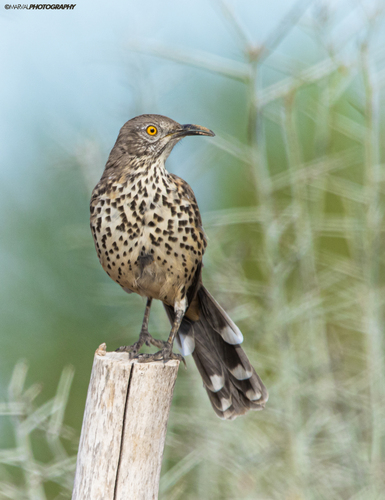 Cuitlacoche Ceniciento
 Roquero Rojo
En breve
El Cuitlacoche Ceniciento y el Roquero Rojo difieren principalmente en hábitat y plumaje. El Cuitlacoche Ceniciento se encuentra en matorrales áridos y áreas costeras, mientras que el Roquero Rojo prefiere regiones montañosas y rocosas. Las diferencias en el plumaje también son notables, siendo el Cuitlacoche Ceniciento de un gris más uniforme y el Roquero Rojo mostrando colores vivos, especialmente en los machos.
Consejos de identificación
Busca la cabeza azul vívida y la cola de color óxido en los machos de Roquero Rojo. Nota el hábitat: las áreas rocosas sugieren Roquero, mientras que el matorral árido apunta al Cuitlacoche Ceniciento.
Plumaje
El Cuitlacoche Ceniciento es mayormente gris con menos contraste, mientras que los machos del Roquero Rojo tienen cabezas azul vívidas, colas de color óxido y partes inferiores de un naranja brillante. Las hembras del Roquero tienen partes superiores de color marrón grisáceo con manchas color crema y partes inferiores de color naranja-crema.
Comportamiento
El Roquero Rojo a menudo se posa en rocas o árboles para buscar alimento y luego cae al suelo para atrapar presas. El comportamiento del Cuitlacoche Ceniciento no está detallado en las notas.
Hábitat
El Cuitlacoche Ceniciento habita en matorrales áridos y áreas costeras, mientras que el Roquero Rojo se encuentra en regiones montañosas y rocosas y acantilados.