
Birdr

Gray Thrasher vs Codirossone

Toxostoma cinereum contro Monticola saxatilis

Fai un quiz con Gray Thrasher e Codirossone
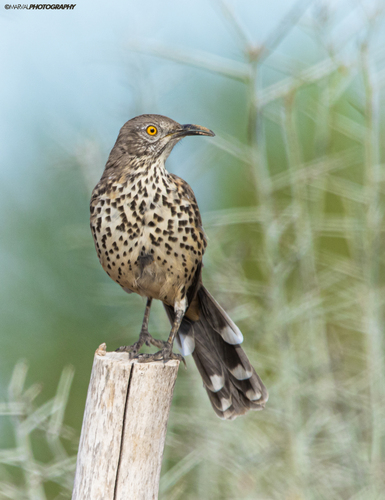
Gray Thrasher (Toxostoma cinereum) Gray Thrasher
Codirossone (Monticola saxatilis) Codirossone

Media

Caricamento…

In breve

Il Gray Thrasher e il Codirossone differiscono principalmente per habitat e piumaggio. Il Gray Thrasher si trova in aree di cespugli aridi e costiere, mentre il Codirossone preferisce regioni montuose rocciose. Le differenze nel piumaggio sono anche notevoli, con il Gray Thrasher che è più uniformemente grigio e il Codirossone che mostra colori vivaci, specialmente nei maschi.

Consigli di identificazione

Cerca la testa blu vivace e la coda color ruggine nei maschi di Codirossone. Nota l'habitat: aree rocciose suggeriscono il Codirossone, mentre i cespugli aridi indicano il Gray Thrasher.

Piumaggio

Il Gray Thrasher è per lo più grigio con meno contrasto, mentre i maschi del Codirossone hanno teste blu vivaci, code color ruggine e parti inferiori arancioni brillanti. Le femmine del Codirossone hanno parti superiori grigio-marroni con macchie color crema e parti inferiori arancioni-color crema.

Comportamento

Il Codirossone spesso si posiziona su rocce o alberi per cercare cibo e poi scende a terra per catturare prede. Il comportamento del Gray Thrasher non è dettagliato nelle note.

Habitat

Il Gray Thrasher abita in cespugli aridi e aree costiere, mentre il Codirossone si trova in regioni montuose rocciose e scogliere.

Invia una descrizione migliore

Usa le stesse sezioni del confronto. Il testo viene pubblicato subito.

The Grey Thrasher and Common Rock Thrush differ primarily in habitat and plumage. The Grey Thrasher is found in arid scrub and coastal areas, while the Common Rock Thrush prefers rocky, mountainous regions. Plumage differences are also notable, with the Grey Thrasher being more uniformly gray and the Common Rock Thrush displaying vivid colors, especially in males.

Look for the vivid blue head and rust-colored tail in male Common Rock Thrushes. Note the habitat: rocky areas suggest Rock Thrush, while arid scrub points to Grey Thrasher.

The Grey Thrasher is mostly gray with less contrast, whereas the Common Rock Thrush males have vivid blue heads, rust-colored tails, and bright orange underparts. Females of the Rock Thrush have grayish-brown upperparts with buff spotting and orange-buff underparts.

The Common Rock Thrush often perches on rocks or trees to scan for food and then drops to the ground to catch prey. The Grey Thrasher's behavior is not detailed in the notes.

Grey Thrasher inhabits arid scrub and coastal areas, while the Common Rock Thrush is found in rocky, mountainous regions and cliffs.

Scartare le modifiche?

Hai modifiche non salvate. Se esci ora, andranno perse.

Gray Thrasher · Codirossone · I miei uccelli difficili