
gray thrasher vs melro-das-rochas
Toxostoma cinereum versus Monticola saxatilis
Jogue um quiz com gray thrasher e melro-das-rochas
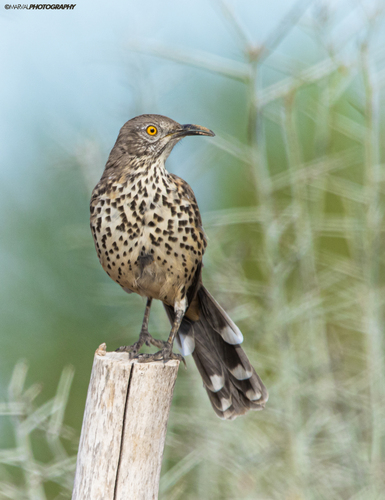 gray thrasher
 melro-das-rochas
Em resumo
O gray thrasher e o melro-das-rochas diferem principalmente em habitat e plumagem. O gray thrasher é encontrado em arbustos áridos e áreas costeiras, enquanto o melro-das-rochas prefere regiões montanhosas e rochosas. As diferenças de plumagem também são notáveis, com o gray thrasher sendo mais uniformemente cinza e o melro-das-rochas exibindo cores vívidas, especialmente nos machos.
Dicas de identificação
Procure pela cabeça azul vívida e cauda de cor ferrugem nos machos de melro-das-rochas. Note o habitat: áreas rochosas sugerem melro-das-rochas, enquanto arbustos áridos apontam para gray thrasher.
Plumagem
O gray thrasher é principalmente cinza com menos contraste, enquanto os machos de melro-das-rochas têm cabeças azuis vívidas, caudas de cor ferrugem e partes inferiores laranja brilhante. As fêmeas do melro-das-rochas têm partes superiores marrom-cinzentadas com manchas amarelas e partes inferiores laranja-amareladas.
Comportamento
O melro-das-rochas frequentemente pousa em rochas ou árvores para procurar comida e depois desce ao chão para capturar presas. O comportamento do gray thrasher não está detalhado nas notas.
Habitat
O gray thrasher habita arbustos áridos e áreas costeiras, enquanto o melro-das-rochas é encontrado em regiões montanhosas e rochosas e penhascos.