
Sietecolores vs Mosquero Ladrillito
Tachuris rubrigastra frente a Mionectes rufiventris
Juega un quiz con Sietecolores y Mosquero Ladrillito
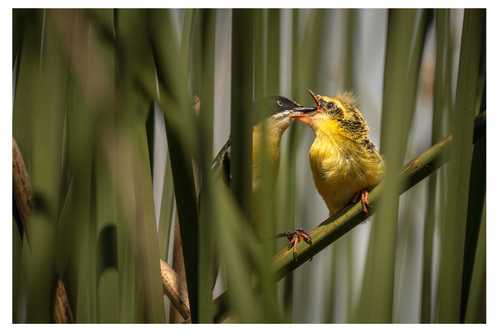 Sietecolores
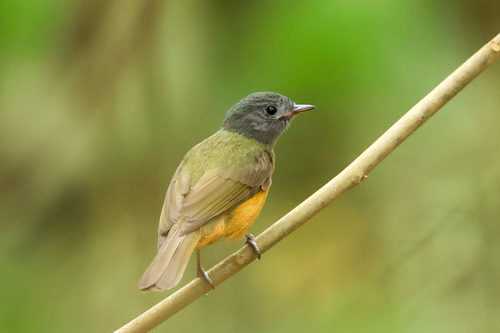 Mosquero Ladrillito
En breve
El Sietecolores es inconfundible con su plumaje vibrante, que incluye un supercilio amarillo y una mancha roja en la nuca, mientras que el Mosquero Ladrillito es más sobrio con partes inferiores rufo y partes superiores verde oliva. El Sietecolores se encuentra en pantanos cubiertos de juncos, mientras que el Mosquero Ladrillito habita en bosques húmedos. Estas preferencias de hábitat son clave para distinguirlos en el campo.
Consejos de identificación
Busque el vibrante plumaje amarillo y rojo del Sietecolores en hábitats pantanosos. En contraste, el Mosquero Ladrillito estará en bosques húmedos con tonos rufo y verde oliva. El hábitat es una pista crucial, ya que sus rangos y entornos no se superponen significativamente.
Plumaje
El Sietecolores tiene una apariencia llamativa con partes inferiores y supercilio completamente amarillos, una garganta blanca, un manto verde oliva, alas y cola negras con un patrón blanco audaz, y una mancha roja en la nuca y en las cobertoras de la cola. En contraste, el Mosquero Ladrillito tiene partes inferiores rufo y partes superiores y cola verde oliva, careciendo de los colores brillantes y marcas distintivas del Sietecolores.
Comportamiento
El Sietecolores forrajea acrobáticamente solo, en parejas o en pequeños grupos familiares, mientras que el Mosquero Ladrillito es conocido por su sistema de cría en lek y se alimenta tanto de insectos como de frutas.
Hábitat
El Sietecolores se encuentra en pantanos cubiertos de juncos y bordes de lagos, mientras que el Mosquero Ladrillito habita el crecimiento inferior de bosques húmedos en la región de la Selva Atlántica.