
Ornaattachuri vs Grijskappipratiran
Tachuris rubrigastra versus Mionectes rufiventris
Speel een quiz met Ornaattachuri en Grijskappipratiran
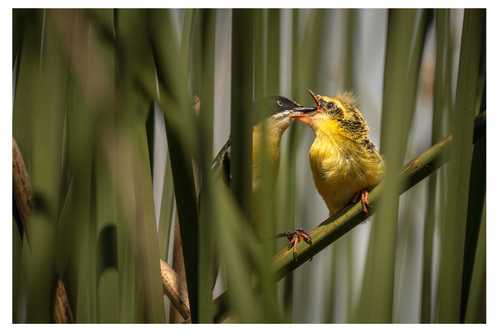 Ornaattachuri
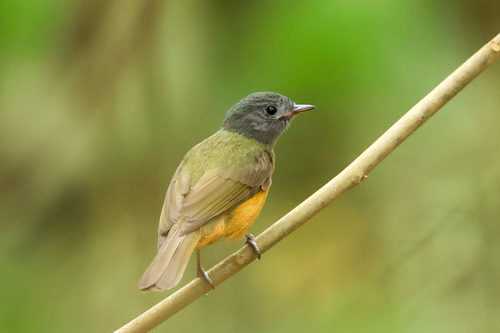 Grijskappipratiran
Kort gezegd
De Ornaattachuri is onmiskenbaar met zijn levendige verenkleed, inclusief een gele supercilium en een rode nekvlek, terwijl de Grijskappipratiran meer ingetogen is met roestkleurige onderdelen en olijfgroene bovenzijde. De Ornaattachuri wordt aangetroffen in rietachtige moerassen, terwijl de Grijskappipratiran vochtige bossen bewoont. Deze voorkeuren voor habitat zijn cruciaal om ze in het veld te onderscheiden.
Herkenningstips
Zoek naar het levendige gele en rode verenkleed van de Ornaattachuri in moerassige habitats. In tegenstelling tot de Grijskappipratiran zal deze in vochtige bossen met roestkleurige en olijfgroene tinten zijn. Habitat is een cruciale aanwijzing, aangezien hun verspreidingsgebieden en omgevingen niet significant overlappen.
Verenkleed
De Ornaattachuri heeft een opvallend uiterlijk met volledig gele onderdelen en supercilium, een witte keel, olijfgroene mantel, zwarte vleugels en staart met een gedurfde witte tekening, en een rode vlek op de nek en onderstaartdekken. In tegenstelling tot de Grijskappipratiran heeft deze roestkleurige onderdelen en olijfgroene bovenzijde en staart, zonder de heldere kleuren en duidelijke markeringen van de Ornaattachuri.
Gedrag
De Ornaattachuri foerageert acrobatisch alleen, in paren of kleine familiepartijen, terwijl de Grijskappipratiran bekend staat om zijn lek-broedsysteem en zich voedt met zowel insecten als fruit.
Habitat
De Ornaattachuri wordt aangetroffen in rietachtige moerassen en langs de randen van meren, terwijl de Grijskappipratiran de lagere begroeiing van vochtige bossen in de Atlantische Bosregio bewoont.