
Archibebe Fino vs Andarríos Bastardo
Tringa stagnatilis frente a Tringa glareola
Juega un quiz con Archibebe Fino y Andarríos Bastardo
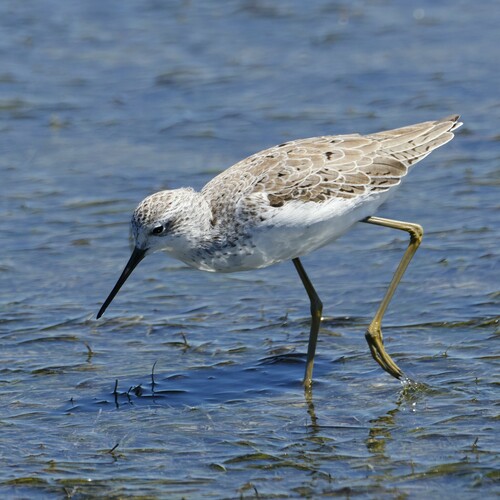 Archibebe Fino
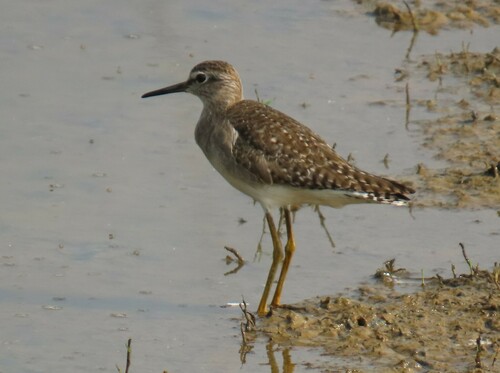 Andarríos Bastardo
En breve
La forma y longitud del pico son clave: el Archibebe Fino tiene un pico más largo, más delgado y más parecido a una aguja en comparación con el pico ligeramente más corto y más grueso del Andarríos Bastardo. Además, el Archibebe Fino típicamente muestra patas más largas, dándole una apariencia más elegante. Ambas especies tienen un supercilio blanco, pero el del Andarríos Bastardo es más pronunciado y se extiende más atrás del ojo.
Consejos de identificación
- Busca la forma del pico: el Archibebe Fino tiene un pico más largo y delgado. 2. Verifica la longitud de las patas: el Archibebe Fino tiene patas más largas. 3. Observa el supercilio: más pronunciado y se extiende más en el Andarríos Bastardo. 4. Nota el manchado en la espalda: más prominente en el Andarríos Bastardo.
Tamaño
El Archibebe Fino parece más esbelto y ligeramente más grande debido a sus patas más largas.
Plumaje
Ambas especies tienen una parte superior marrón, pero el Andarríos Bastardo a menudo muestra un manchado más prominente en la espalda. El supercilio blanco es más pronunciado en el Andarríos Bastardo.
Hábitat
Ambas especies se pueden encontrar en hábitats de humedales similares, pero es más probable que se vea al Archibebe Fino en aguas abiertas y poco profundas.