
Albastrello vs Piro piro boschereccio
Tringa stagnatilis contro Tringa glareola
Fai un quiz con Albastrello e Piro piro boschereccio
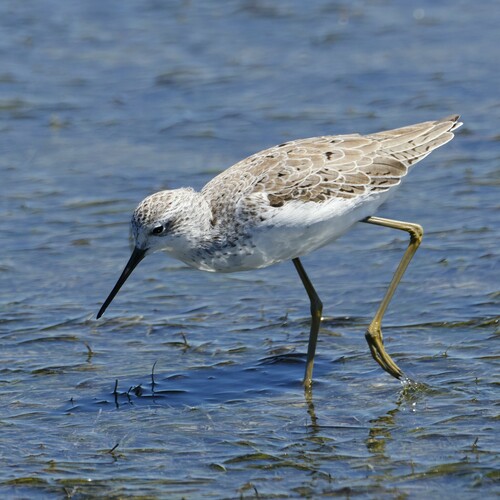 Albastrello
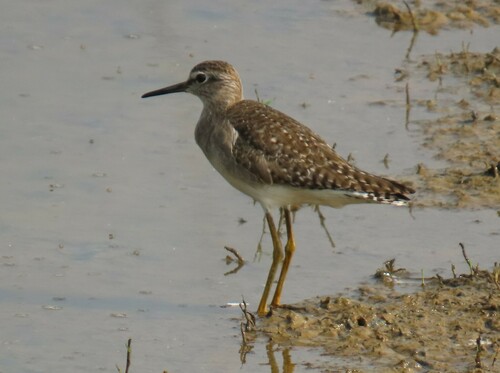 Piro piro boschereccio
In breve
La forma e la lunghezza del becco sono fondamentali: l'Albastrello ha un becco più lungo, più sottile e più simile a un ago rispetto al becco leggermente più corto e più spesso del Piro piro boschereccio. Inoltre, l'Albastrello mostra tipicamente gambe più lunghe, conferendogli un aspetto più elegante. Entrambe le specie hanno un sopracciglio bianco, ma quello del Piro piro boschereccio è più pronunciato e si estende ulteriormente dietro l'occhio.
Consigli di identificazione
- Cerca la forma del becco: l'Albastrello ha un becco più lungo e più sottile. 2. Controlla la lunghezza delle gambe: l'Albastrello ha gambe più lunghe. 3. Osserva il sopracciglio: più pronunciato e si estende ulteriormente nel Piro piro boschereccio. 4. Nota le macchie sulla schiena: più prominenti nel Piro piro boschereccio.
Taglia
L'Albastrello appare più snello e leggermente più grande a causa delle sue gambe più lunghe.
Piumaggio
Entrambe le specie hanno una parte superiore marrone, ma il Piro piro boschereccio mostra spesso macchie più prominenti sulla schiena. Il sopracciglio bianco è più pronunciato nel Piro piro boschereccio.
Habitat
Entrambe le specie possono essere trovate in habitat umidi simili, ma l'Albastrello è più probabile che venga visto in acque aperte e poco profonde.
Albastrello · Piro piro boschereccio · I miei uccelli difficili