
Semillero Cuelliblanco vs Platanero
Sporophila morelleti frente a Coereba flaveola
Juega un quiz con Semillero Cuelliblanco y Platanero
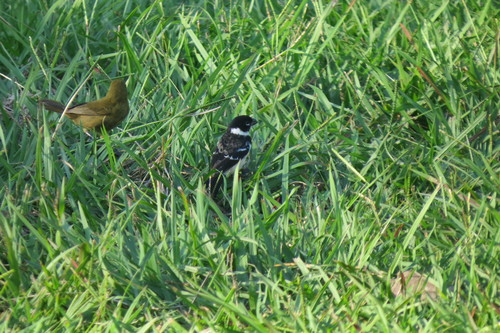 Semillero Cuelliblanco
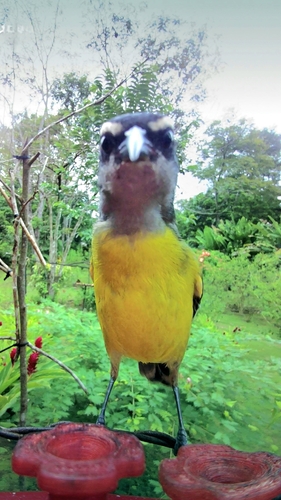 Platanero
En breve
El Semillero Cuelliblanco y el Platanero se pueden distinguir por su plumaje y preferencias de hábitat. El macho del Semillero Cuelliblanco es notable por su plumaje blanco y negro, mientras que el Platanero tiene una parte inferior amarilla distintiva. Ambas especies se pueden encontrar en rangos superpuestos en América Central, pero prefieren diferentes hábitats.
Consejos de identificación
Busca el plumaje blanco y negro en el macho del Semillero Cuelliblanco, especialmente durante la temporada de cría. En contraste, la parte inferior amarilla del Platanero es una característica distintiva clara. Considera el hábitat: el Semillero Cuelliblanco se encuentra a menudo en áreas abiertas cerca del agua.
Plumaje
El macho del Semillero Cuelliblanco es blanco y negro, lo que lo hace fácilmente distinguible del Platanero, que tiene partes inferiores amarillas. Las hembras y los juveniles del Semillero Cuelliblanco son más difíciles de diferenciar de otros semilleros, pero no comparten la coloración amarilla del Platanero.
Comportamiento
Los machos del Semillero Cuelliblanco son frecuentemente observados cantando de marzo a octubre, mientras que los Plataneros no son conocidos por tal comportamiento de canto estacional.
Hábitat
El Semillero Cuelliblanco habita en sabanas, pastizales y campos arbustivos, a menudo cerca del agua, mientras que las preferencias de hábitat del Platanero no están especificadas en las notas.