
Morelet's Seedeater vs Bananaquit
Sporophila morelleti contro Coereba flaveola
Fai un quiz con Morelet's Seedeater e Bananaquit
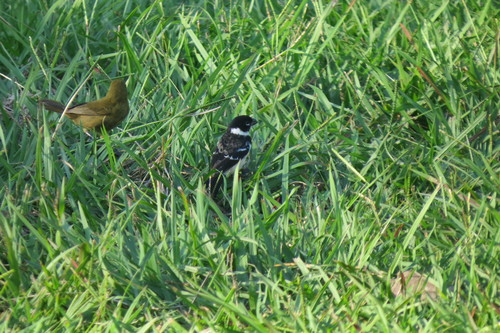 Morelet's Seedeater
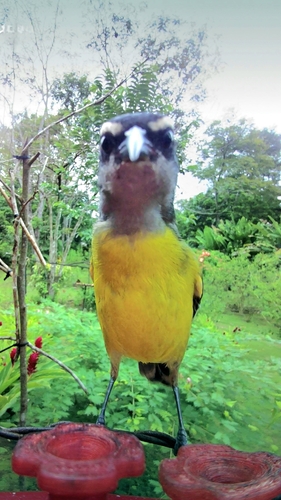 Bananaquit
In breve
Il Morelet's Seedeater e il Bananaquit possono essere distinti per il loro piumaggio e le preferenze di habitat. Il maschio del Morelet's Seedeater è noto per il suo piumaggio bianco e nero, mentre il Bananaquit ha una parte inferiore gialla distintiva. Entrambe le specie possono essere trovate in aree sovrapposte in America Centrale, ma preferiscono habitat diversi.
Consigli di identificazione
Cerca il piumaggio bianco e nero nel maschio del Morelet's Seedeater, specialmente durante la stagione degli amori. Al contrario, la parte inferiore gialla del Bananaquit è una chiara caratteristica distintiva. Considera l'habitat: il Morelet's Seedeater si trova spesso in aree aperte vicino all'acqua.
Piumaggio
Il maschio del Morelet's Seedeater è bianco e nero, rendendolo facilmente distinguibile dal Bananaquit, che ha parti inferiori gialle. Le femmine e i giovani del Morelet's Seedeater sono più difficili da differenziare dagli altri seedeater, ma non condividono la colorazione gialla del Bananaquit.
Comportamento
I maschi del Morelet's Seedeater vengono frequentemente osservati cantare da marzo a ottobre, mentre i Bananaquit non sono noti per un comportamento di canto stagionale simile.
Habitat
Il Morelet's Seedeater abita savane, pascoli e campi cespugliosi, spesso vicino all'acqua, mentre le preferenze di habitat del Bananaquit non sono specificate nelle note.