
Zorzalito Piquigualdo vs Zorzal Dorsirrufo
Catharus aurantiirostris frente a Turdus rufopalliatus
Juega un quiz con Zorzalito Piquigualdo y Zorzal Dorsirrufo
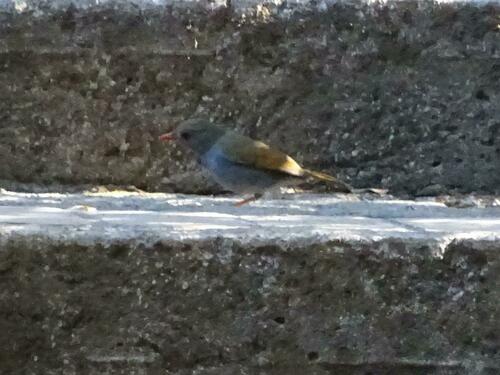 Zorzalito Piquigualdo
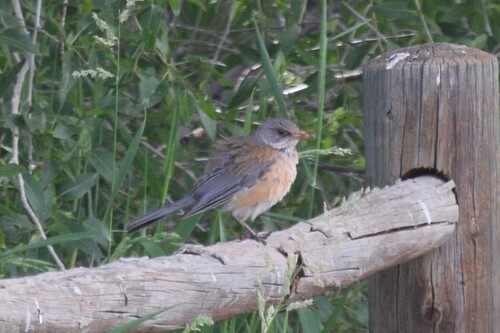 Zorzal Dorsirrufo
En breve
El Zorzalito Piquigualdo y el Zorzal Dorsirrufo se pueden distinguir por sus picos y plumaje. El Zorzalito Piquigualdo tiene un pico naranja distintivo, mientras que el Zorzal Dorsirrufo presenta una cabeza gris y un manto rufoso profundo. Ambas especies difieren significativamente en vocalización, con el Zorzalito Piquigualdo teniendo una canción menos musical y más seca.
Consejos de identificación
Verifica primero el color del pico: El Zorzalito Piquigualdo tiene un pico naranja, mientras que el Zorzal Dorsirrufo no. Observa el plumaje: Busca la cabeza gris y el manto rufoso del Zorzal Dorsirrufo. Escucha las vocalizaciones: El Zorzalito Piquigualdo tiene una canción menos musical.
Plumaje
El Zorzalito Piquigualdo tiene un pico naranja distintivo, mientras que el Zorzal Dorsirrufo tiene una cabeza gris con una garganta blanca estriada de negro, un manto rufoso profundo y partes inferiores naranja-castaño. Las hembras de Zorzal Dorsirrufo son más apagadas y menos contrastantes.
Comportamiento
El Zorzalito Piquigualdo se ve a menudo saltando en el suelo o cantando desde una percha baja en matorrales densos.
Voz
El Zorzalito Piquigualdo tiene una canción menos musical y más seca en comparación con otros zorzales, con una nota de llamada nasal y ascendente.
Zorzalito Piquigualdo · Zorzal Dorsirrufo · Mis aves difíciles