
Orange-billed Nightingale-Thrush vs Rufous-backed Robin
Catharus aurantiirostris contro Turdus rufopalliatus
Fai un quiz con Orange-billed Nightingale-Thrush e Rufous-backed Robin
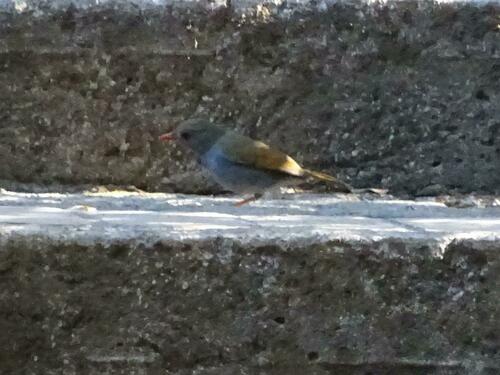 Orange-billed Nightingale-Thrush
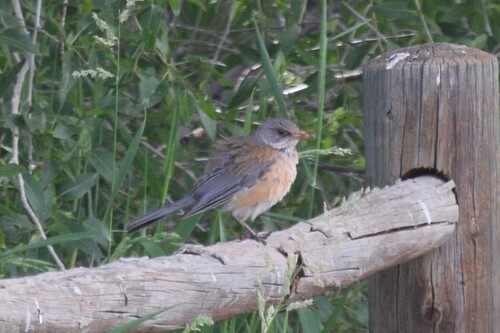 Rufous-backed Robin
In breve
L'Orange-billed Nightingale-Thrush e il Rufous-backed Robin possono essere distinti per i loro becchi e piumaggio. L'Orange-billed Nightingale-Thrush ha un becco arancione distintivo, mentre il Rufous-backed Robin presenta una testa grigia e un profondo mantello rufoso. Entrambe le specie differiscono significativamente nella vocalizzazione, con il Nightingale-Thrush che ha un canto meno musicale e più secco.
Consigli di identificazione
Controlla prima il colore del becco: L'Orange-billed Nightingale-Thrush ha un becco arancione, mentre il Rufous-backed Robin no. Osserva il piumaggio: Cerca la testa grigia e il mantello rufoso del Rufous-backed Robin. Ascolta le vocalizzazioni: Il Nightingale-Thrush ha un canto meno musicale.
Piumaggio
L'Orange-billed Nightingale-Thrush ha un becco arancione distintivo, mentre il Rufous-backed Robin ha una testa grigia con una gola bianca striata di nero, un profondo mantello rufoso e parti inferiori arancione-castagna. Le femmine di Rufous-backed Robin sono più opache e meno contrastanti.
Comportamento
L'Orange-billed Nightingale-Thrush è spesso visto saltellare a terra o cantare da un posatoio basso in folti cespugli.
Voce
L'Orange-billed Nightingale-Thrush ha un canto meno musicale e più secco rispetto ad altri tordi, con una nota di richiamo nasale e inclinata verso l'alto.
Orange-billed Nightingale-Thrush · Rufous-backed Robin · I miei uccelli difficili