
Zorzalito Piquigualdo vs Zorzalito Sombrío
Catharus aurantiirostris frente a Catharus fuscater
Juega un quiz con Zorzalito Piquigualdo y Zorzalito Sombrío
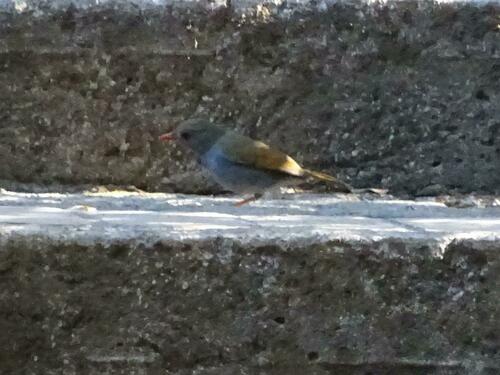 Zorzalito Piquigualdo
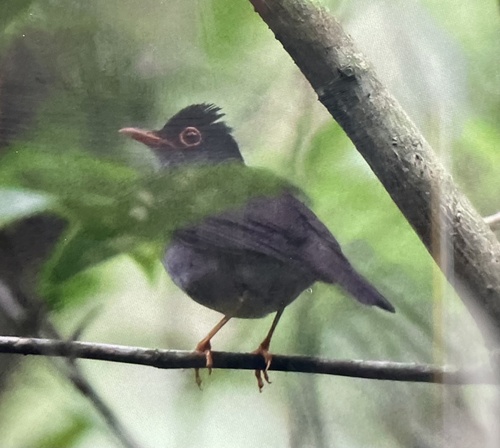 Zorzalito Sombrío
En breve
El Zorzalito Piquigualdo se distingue por su brillante pico naranja, mientras que el Zorzalito Sombrío tiene un plumaje gris oscuro más sutil con un iris blanco. Ambas especies son tímidas y a menudo se encuentran en matorrales densos, pero es más probable ver al Zorzalito Piquigualdo saltando en el suelo o cantando desde una percha baja.
Consejos de identificación
Busque el brillante pico naranja del Zorzalito Piquigualdo y el iris blanco del Zorzalito Sombrío. Note el plumaje general más oscuro del Zorzalito Sombrío, que puede tener un matiz marrón u oliva.
Plumaje
El Zorzalito Piquigualdo tiene un brillante pico naranja, en contraste con el plumaje gris oscuro del Zorzalito Sombrío y su iris blanco. El Zorzalito Sombrío también puede mostrar un matiz marrón u oliva.
Comportamiento
Ambas especies son tímidas, pero el Zorzalito Piquigualdo a menudo se ve saltando en el suelo o cantando desde una percha baja, mientras que el Zorzalito Sombrío tiende a escabullirse como una sombra cuando se le acerca.
Hábitat
Ambas especies prefieren matorrales densos, siendo el Zorzalito Sombrío particularmente recluso, permaneciendo en el bosque oscuro.
Voz
El Zorzalito Piquigualdo tiene una canción menos musical y más seca en comparación con otros zorzales, con una nota de llamada nasal y ascendente.
Zorzalito Piquigualdo · Zorzalito Sombrío · Mis aves difíciles