
Orange-billed Nightingale-Thrush vs Slaty-backed Nightingale-Thrush
Catharus aurantiirostris contro Catharus fuscater
Fai un quiz con Orange-billed Nightingale-Thrush e Slaty-backed Nightingale-Thrush
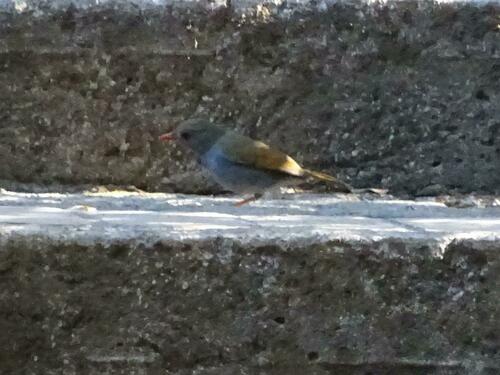 Orange-billed Nightingale-Thrush
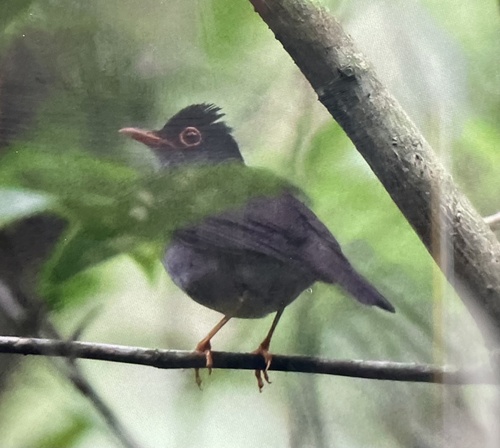 Slaty-backed Nightingale-Thrush
In breve
Il Orange-billed Nightingale-Thrush si distingue per il suo becco arancione brillante, mentre il Slaty-backed Nightingale-Thrush ha un piumaggio grigio scuro slatato più sottile con un'iride bianca. Entrambe le specie sono timide e spesso si trovano in folti cespugli, ma l'Orange-billed è più probabile che venga visto saltellare a terra o cantare da un posatoio basso.
Consigli di identificazione
Cerca il becco arancione brillante dell'Orange-billed Nightingale-Thrush e l'iride bianca dello Slaty-backed Nightingale-Thrush. Nota il piumaggio complessivamente più scuro dello Slaty-backed, che può avere una sfumatura marrone o oliva.
Piumaggio
L'Orange-billed Nightingale-Thrush ha un becco arancione brillante, in contrasto con il piumaggio grigio scuro slatato e l'iride bianca dello Slaty-backed Nightingale-Thrush. Lo Slaty-backed può anche mostrare una sfumatura marrone o oliva.
Comportamento
Entrambe le specie sono timide, ma l'Orange-billed Nightingale-Thrush è spesso visto saltellare a terra o cantare da un posatoio basso, mentre lo Slaty-backed Nightingale-Thrush tende a svanire come un'ombra quando viene avvicinato.
Habitat
Entrambe le specie preferiscono folti cespugli, con lo Slaty-backed Nightingale-Thrush che è particolarmente recluso, rimanendo nella foresta buia.
Voce
L'Orange-billed Nightingale-Thrush ha un canto meno musicale e più secco rispetto ad altri nightingale-thrushes, con una nota di richiamo nasale e ascendente.
Orange-billed Nightingale-Thrush · Slaty-backed Nightingale-Thrush · I miei uccelli difficili