
sabiazinho-de-bico-laranja vs slaty-backed nightingale-thrush
Catharus aurantiirostris versus Catharus fuscater
Jogue um quiz com sabiazinho-de-bico-laranja e slaty-backed nightingale-thrush
 sabiazinho-de-bico-laranja
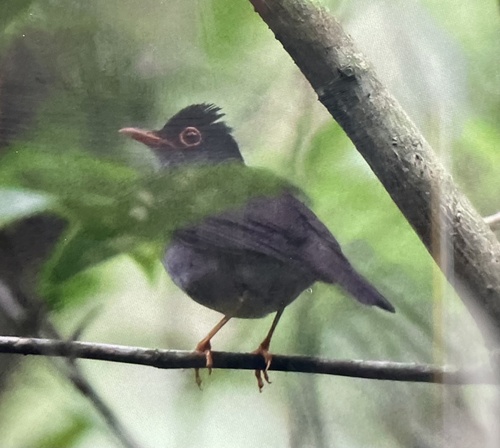 slaty-backed nightingale-thrush
Em resumo
O sabiazinho-de-bico-laranja é distinguido pelo seu bico laranja brilhante, enquanto o slaty-backed nightingale-thrush possui uma plumagem cinza escuro sutil com uma íris branca. Ambas as espécies são tímidas e frequentemente encontradas em arbustos densos, mas o sabiazinho é mais propenso a ser visto pulando no chão ou cantando de um poleiro baixo.
Dicas de identificação
Procure pelo bico laranja brilhante do sabiazinho-de-bico-laranja e pela íris branca do slaty-backed nightingale-thrush. Note a plumagem geral mais escura do slaty-backed, que pode ter um tom marrom ou oliva.
Plumagem
O sabiazinho-de-bico-laranja tem um bico laranja brilhante, contrastando com a plumagem cinza escuro do slaty-backed nightingale-thrush e a íris branca. O slaty-backed também pode apresentar um tom marrom ou oliva.
Comportamento
Ambas as espécies são tímidas, mas o sabiazinho-de-bico-laranja é frequentemente visto pulando no chão ou cantando de um poleiro baixo, enquanto o slaty-backed nightingale-thrush tende a escapar como uma sombra quando se aproxima.
Habitat
Ambas as espécies preferem arbustos densos, com o slaty-backed nightingale-thrush sendo particularmente recluso, permanecendo na floresta escura.
Voz
O sabiazinho-de-bico-laranja tem uma canção menos musical e mais seca em comparação com outros sabias, com uma nota de chamada nasal e ascendente.
sabiazinho-de-bico-laranja · slaty-backed nightingale-thrush · Minhas aves difíceis