
Ganga de Pallas vs Avutarda Euroasiática
Syrrhaptes paradoxus frente a Otis tarda
Juega un quiz con Ganga de Pallas y Avutarda Euroasiática
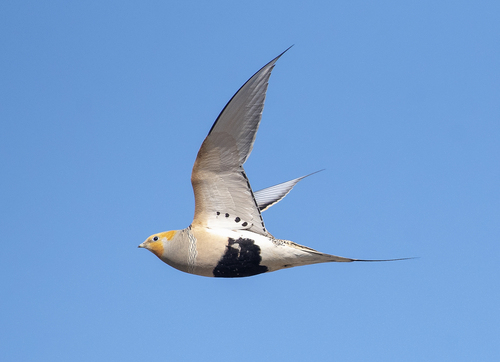 Ganga de Pallas
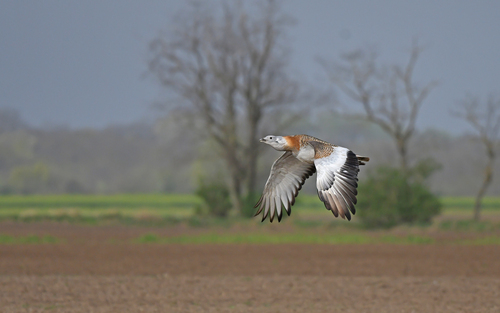 Avutarda Euroasiática
En breve
La Ganga de Pallas y la Avutarda Euroasiática se distinguen fácilmente por su tamaño y estructura. La ganga es mucho más pequeña y tiene una apariencia más parecida a la de una paloma, mientras que la avutarda es grande y robusta. Sus hábitats también difieren significativamente, con la ganga favoreciendo regiones áridas y la avutarda prefiriendo praderas abiertas.
Consejos de identificación
- Tamaño y Estructura: Nota la significativa diferencia de tamaño; la avutarda es mucho más grande.
- Hábitat: Considera el hábitat; las gangas se encuentran en áreas áridas, las avutardas en praderas.
- Plumaje: Busca el plumaje más críptico de la ganga en comparación con el patrón variado de la avutarda.
Tamaño
La Ganga de Pallas es mucho más pequeña y compacta en comparación con la gran y robusta Avutarda Euroasiática.
Plumaje
La ganga tiene una apariencia más parecida a la de una paloma con plumaje críptico, mientras que la avutarda tiene un patrón más llamativo y variado.
Hábitat
La Ganga de Pallas se encuentra típicamente en regiones áridas y semiáridas, mientras que la Avutarda Euroasiática habita praderas abiertas y estepas.
Ganga de Pallas · Avutarda Euroasiática · Mis aves difíciles