
Syrrhapte paradoxal vs Grande Outarde
Syrrhaptes paradoxus contre Otis tarda
Faire un quiz avec Syrrhapte paradoxal et Grande Outarde
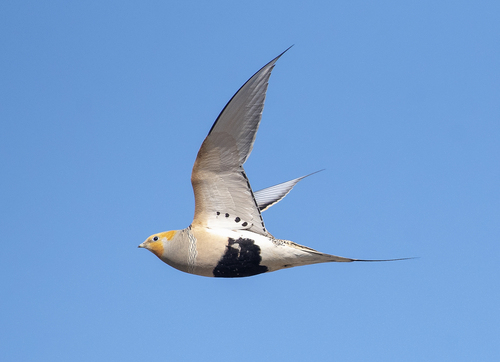 Syrrhapte paradoxal
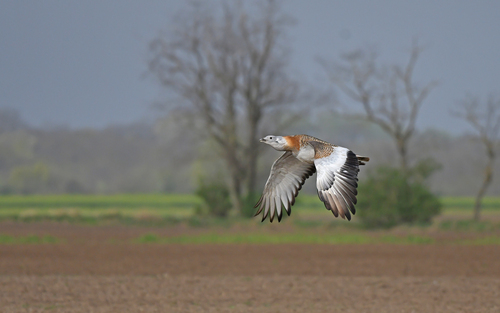 Grande Outarde
En bref
Le Syrrhapte paradoxal et la Grande Outarde se distinguent facilement par leur taille et leur structure. Le syrrhapte est beaucoup plus petit et ressemble davantage à un pigeon, tandis que l'outarde est grande et robuste. Leurs habitats diffèrent également considérablement, le syrrhapte préférant les régions arides et l'outarde les prairies ouvertes.
Conseils d’identification
- Taille et Structure : Notez la différence de taille significative ; l'outarde est beaucoup plus grande.
- Habitat : Considérez l'habitat ; les syrrhaptes se trouvent dans des zones arides, les outardes dans des prairies.
- Plumage : Recherchez le plumage plus cryptique du syrrhapte par rapport au motif varié de l'outarde.
Taille
Le Syrrhapte paradoxal est beaucoup plus petit et plus compact par rapport à la grande et robuste Grande Outarde.
Plumage
Le syrrhapte a une apparence plus semblable à celle d'un pigeon avec un plumage cryptique, tandis que l'outarde a un motif plus frappant et varié.
Habitat
Le Syrrhapte paradoxal se trouve généralement dans des régions arides et semi-arides, tandis que la Grande Outarde habite des prairies ouvertes et des steppes.
Syrrhapte paradoxal · Grande Outarde · Mes oiseaux difficiles