
Combatiente vs Correlimos Oscuro
Calidris pugnax frente a Calidris maritima
Juega un quiz con Combatiente y Correlimos Oscuro
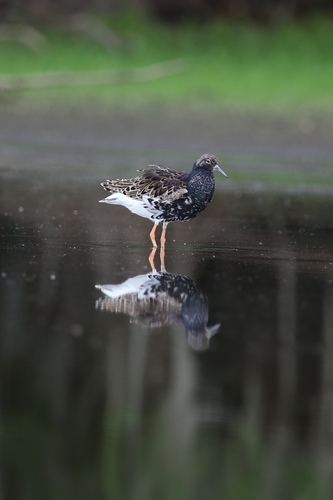 Combatiente
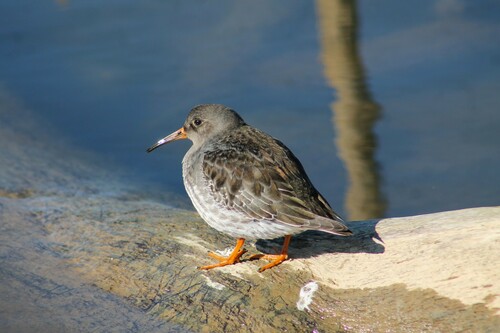 Correlimos Oscuro
En breve
El Combatiente y el Correlimos Oscuro se pueden distinguir por su plumaje y comportamiento. Los Combatientes tienen un plumaje más variable, especialmente en los machos en época de cría, mientras que los Correlimos Oscuros muestran un color pizarra a carbón con un tenue brillo púrpura en invierno. Comportamentalmente, los Correlimos Oscuros son más propensos a encontrarse en áreas costeras rocosas y son accesibles en invierno.
Consejos de identificación
- Plumaje: Busca el plumaje variable y elaborado de los Combatientes, especialmente en los machos en época de cría, frente al color pizarra a carbón consistente de los Correlimos Oscuros en invierno.
- Comportamiento: Nota la naturaleza accesible de los Correlimos Oscuros en invierno y su tendencia a permanecer cerca del suelo cuando son asustados.
- Hábitat: Verifica áreas costeras rocosas, que son más típicas para los Correlimos Oscuros.
Plumaje
Los Combatientes exhiben un plumaje altamente variable, particularmente en los machos en época de cría, que pueden tener cuellos y mechones elaborados. En contraste, los Correlimos Oscuros tienen partes superiores de color pizarra a carbón con un tenue brillo púrpura en invierno, y más coloridos matices castaños y beige en verano.
Comportamiento
Los Correlimos Oscuros son bastante accesibles en invierno y tienden a volar solo una corta distancia cuando son asustados. Realizan exhibiciones de cortejo aéreo y una exhibición de Rodent Run en los terrenos de cría. Los Combatientes no exhiben estos comportamientos específicos.
Hábitat
Los Correlimos Oscuros se encuentran típicamente en áreas costeras rocosas, especialmente en invierno. Los Combatientes no están específicamente asociados con este tipo de hábitat.