
Correlimos Acuminado vs Escribano Piquigrueso
Calidris acuminata frente a Rhynchophanes mccownii
Juega un quiz con Correlimos Acuminado y Escribano Piquigrueso
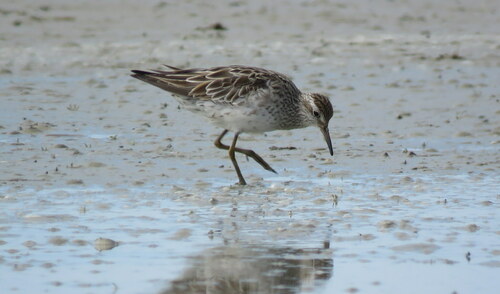 Correlimos Acuminado
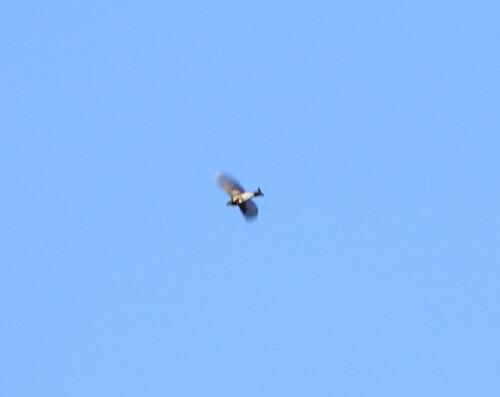 Escribano Piquigrueso
En breve
El Correlimos Acuminado y el Escribano Piquigrueso difieren significativamente en la preferencia de hábitat y comportamiento, lo que hace poco probable que se confundan en el campo. El correlimos es un ave zancuda que se encuentra típicamente en humedales, mientras que el escribano es un ave terrestre de praderas abiertas. Su plumaje y estructura también difieren, con el correlimos teniendo un cuerpo más aerodinámico adecuado para las costas.
Consejos de identificación
- Hábitat: Busca Correlimos Acuminados en áreas de humedales; Escribanos Piquigruesos se encuentran en praderas abiertas.
- Comportamiento: Observa la exhibición aérea y el canto del Escribano Piquigrueso, que son distintivos.
- Plumaje: Nota la cola en forma de 'T' y el pico robusto del escribano en comparación con el cuerpo aerodinámico y el pico más largo del correlimos.
Plumaje
El Correlimos Acuminado tiene un cuerpo más aerodinámico con un pico más largo típico de los correlimos, mientras que el Escribano Piquigrueso tiene un pico robusto y un cuerpo más compacto. El plumaje del correlimos es generalmente más apagado y adaptado a los entornos de humedales, mientras que el escribano muestra una cola en forma de 'T' en blanco y negro vívida durante su exhibición aérea.
Comportamiento
El Correlimos Acuminado se ve a menudo buscando alimento en aguas poco profundas, mientras que el Escribano Piquigrueso realiza una exhibición aérea distintiva, aleteando hacia arriba y descendiendo con las alas extendidas. El comportamiento del escribano es más terrestre, a menudo visto en praderas abiertas.
Hábitat
Los Correlimos Acuminados se encuentran típicamente en humedales y áreas costeras, mientras que los Escribanos Piquigruesos habitan llanuras abiertas y praderas de pasto corto barridas por el viento.
Voz
El Escribano Piquigrueso es conocido por su canto tintineante y trino durante su exhibición aérea, una vocalización no asociada con el Correlimos Acuminado.
Correlimos Acuminado · Escribano Piquigrueso · Mis aves difíciles