
pilrito-acuminado vs thick-billed longspur
Calidris acuminata versus Rhynchophanes mccownii
Jogue um quiz com pilrito-acuminado e thick-billed longspur
 pilrito-acuminado
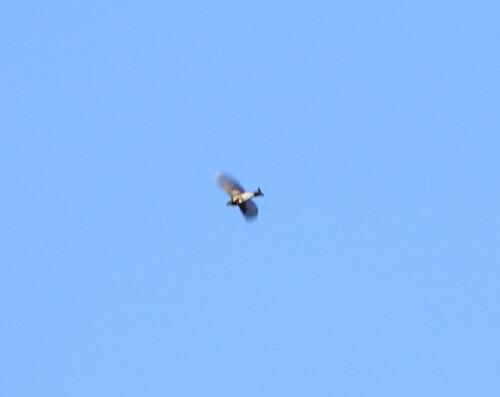 thick-billed longspur
Em resumo
O pilrito-acuminado e o thick-billed longspur diferem significativamente em preferência de habitat e comportamento, tornando-os improváveis de serem confundidos em campo. O pilrito é um limícola tipicamente encontrado em áreas úmidas, enquanto o longspur é um pássaro terrestre de campos abertos. Sua plumagem e estrutura também diferem, com o pilrito tendo um corpo mais aerodinâmico adequado para orlas.
Dicas de identificação
- Habitat: Procure por pilritos-acuminados em áreas úmidas; thick-billed longspurs são encontrados em campos abertos.
- Comportamento: Observe a exibição aérea e o canto do thick-billed longspur, que são distintos.
- Plumagem: Note a cauda em padrão 'T' do longspur e o bico robusto em comparação com o corpo aerodinâmico e o bico mais longo do pilrito.
Plumagem
O pilrito-acuminado tem um corpo mais aerodinâmico com um bico mais longo típico dos limícolas, enquanto o thick-billed longspur tem um bico robusto e um corpo mais compacto. A plumagem do pilrito é geralmente mais suave e adaptada para ambientes úmidos, enquanto o longspur exibe uma cauda vívida em padrão 'T' branca e preta durante sua exibição aérea.
Comportamento
O pilrito-acuminado é frequentemente visto forrageando em águas rasas, enquanto o thick-billed longspur realiza uma exibição aérea distinta, flutuando para cima e descendo com as asas estendidas. O comportamento do longspur é mais terrestre, frequentemente visto em campos abertos.
Habitat
Os pilritos-acuminados são tipicamente encontrados em áreas úmidas e costeiras, enquanto os thick-billed longspurs habitam planícies abertas e varzeas de gramíneas curtas.
Voz
O thick-billed longspur é conhecido por seu canto tilintante e trinado durante sua exibição aérea, uma vocalização não associada ao pilrito-acuminado.
pilrito-acuminado · thick-billed longspur · Minhas aves difíceis