
Sharp-tailed Sandpiper vs Thick-billed Longspur
Calidris acuminata contro Rhynchophanes mccownii
Fai un quiz con Sharp-tailed Sandpiper e Thick-billed Longspur
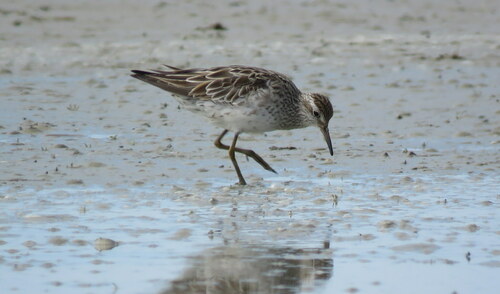 Sharp-tailed Sandpiper
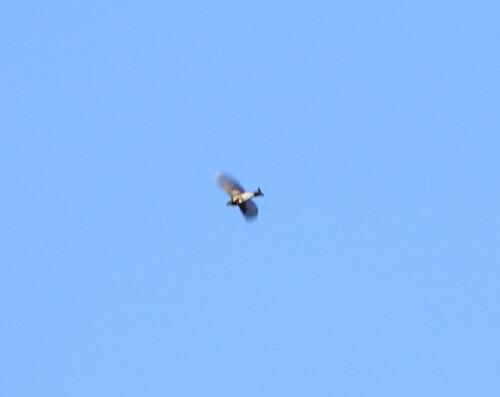 Thick-billed Longspur
In breve
Il Sharp-tailed Sandpiper e il Thick-billed Longspur differiscono significativamente nelle preferenze di habitat e comportamento, rendendoli improbabili da confondere sul campo. Il sandpiper è un trampoliere tipicamente trovato in zone umide, mentre il longspur è un uccello terrestre di praterie aperte. Il loro piumaggio e la loro struttura differiscono anche, con il sandpiper che ha un corpo più aerodinamico adatto alle coste.
Consigli di identificazione
- Habitat: Cerca Sharp-tailed Sandpipers in aree umide; i Thick-billed Longspurs si trovano in praterie aperte.
- Behavior: Osserva la display aerea e il canto del Thick-billed Longspur, che sono distintivi.
- Plumage: Nota la coda a 'T' del longspur e il becco robusto rispetto al corpo aerodinamico e al becco più lungo del sandpiper.
Piumaggio
Il Sharp-tailed Sandpiper ha un corpo più aerodinamico con un becco più lungo tipico dei trampolieri, mentre il Thick-billed Longspur ha un becco robusto e un corpo più compatto. Il piumaggio del sandpiper è generalmente più tenue e adattato per ambienti umidi, mentre il longspur mostra una coda a 'T' bianca e nera vivida durante la sua display aerea.
Comportamento
Il Sharp-tailed Sandpiper è spesso visto cercare cibo in acque poco profonde, mentre il Thick-billed Longspur esegue una display aerea distintiva, fluttuando verso l'alto e scendendo con le ali spiegate. Il comportamento del longspur è più terrestre, spesso visto in praterie aperte.
Habitat
I Sharp-tailed Sandpipers si trovano tipicamente in zone umide e aree costiere, mentre i Thick-billed Longspurs abitano pianure aperte e spazzate dal vento e praterie a erba corta.
Voce
Il Thick-billed Longspur è noto per il suo canto tintinnante e gorgheggiante durante la sua display aerea, una vocalizzazione non associata al Sharp-tailed Sandpiper.
Sharp-tailed Sandpiper · Thick-billed Longspur · I miei uccelli difficili