
Zorzalito Sombrío vs Zorzalito Cabecinegro
Catharus fuscater frente a Catharus mexicanus
Juega un quiz con Zorzalito Sombrío y Zorzalito Cabecinegro
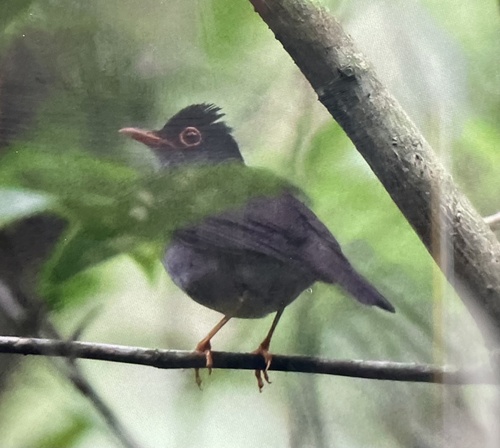 Zorzalito Sombrío
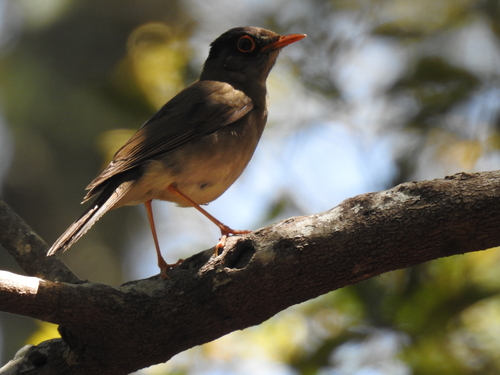 Zorzalito Cabecinegro
En breve
El Zorzalito Sombrío se distingue por su plumaje gris oscuro y su iris blanco conspicuo, mientras que el Zorzalito Cabecinegro presenta una corona negra y partes inferiores de color gris pálido. Ambas especies tienen un pico naranja brillante, pero el Zorzalito Sombrío es más esquivo, a menudo permaneciendo oculto en la densa maleza del bosque.
Consejos de identificación
- Busca el iris blanco en el Zorzalito Sombrío. 2. Verifica la corona negra en el Zorzalito Cabecinegro. 3. Nota las partes inferiores de color gris pálido del Zorzalito Cabecinegro. 4. Observa el comportamiento: el Zorzalito Sombrío es más esquivo, mientras que el Cabecinegro puede ser escuchado cantando.
Plumaje
El Zorzalito Sombrío tiene una coloración gris oscuro con un iris blanco, mientras que el Zorzalito Cabecinegro se caracteriza por una corona negra y partes inferiores de color gris pálido. Ambas especies comparten un pico naranja brillante.
Comportamiento
El Zorzalito Sombrío es extremadamente tímido, permaneciendo cerca del suelo en bosques oscuros. En contraste, el Zorzalito Cabecinegro puede forrajear cerca de los caminos y es más probable que sea detectado por su canto.
Hábitat
Ambas especies habitan áreas boscosas, pero el Zorzalito Sombrío está más restringido a bosques oscuros, mientras que el Zorzalito Cabecinegro se puede encontrar en bosques de tierras altas y a veces en elevaciones más bajas durante la temporada no reproductiva.
Voz
El Zorzalito Cabecinegro puede ser detectado por su canto delgado y similar a una flauta, que no se menciona para el Zorzalito Sombrío.
Zorzalito Sombrío · Zorzalito Cabecinegro · Mis aves difíciles