
Slaty-backed Nightingale-Thrush vs Black-headed Nightingale-Thrush
Catharus fuscater contro Catharus mexicanus
Fai un quiz con Slaty-backed Nightingale-Thrush e Black-headed Nightingale-Thrush
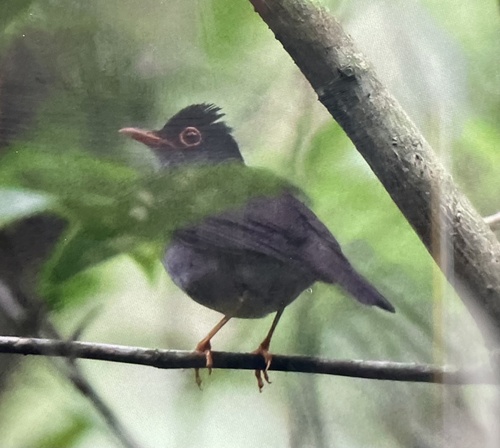 Slaty-backed Nightingale-Thrush
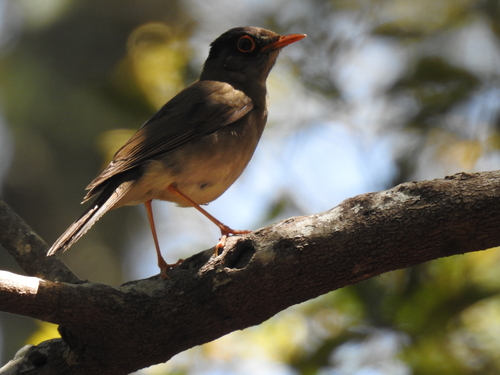 Black-headed Nightingale-Thrush
In breve
Il Slaty-backed Nightingale-Thrush si distingue per il suo piumaggio grigio scuro e slatato e per l'iride bianca e conspicua, mentre il Black-headed Nightingale-Thrush presenta una corona nera e parti inferiori grigio-marroni chiare. Entrambe le specie hanno un becco arancione brillante, ma il Slaty-backed è più elusivo, spesso rimanendo nascosto nella fitta vegetazione forestale.
Consigli di identificazione
- Cerca l'iride bianca nel Slaty-backed Nightingale-Thrush. 2. Controlla la corona nera nel Black-headed Nightingale-Thrush. 3. Nota le parti inferiori grigio-marroni chiare del Black-headed Nightingale-Thrush. 4. Osserva il comportamento: il Slaty-backed è più elusivo, mentre il Black-headed può essere sentito cantare.
Piumaggio
Il Slaty-backed Nightingale-Thrush ha una colorazione grigio scuro e slatato con un'iride bianca, mentre il Black-headed Nightingale-Thrush è caratterizzato da una corona nera e parti inferiori grigio-marroni chiare. Entrambe le specie condividono un becco arancione brillante.
Comportamento
Il Slaty-backed Nightingale-Thrush è estremamente timido, rimanendo vicino al suolo in foreste scure. Al contrario, il Black-headed Nightingale-Thrush può cercare cibo vicino ai bordi delle strade ed è più probabile che venga rilevato dal suo canto.
Habitat
Entrambe le specie abitano aree forestali, ma il Slaty-backed Nightingale-Thrush è più ristretto a foreste scure, mentre il Black-headed Nightingale-Thrush può essere trovato in foreste montane e talvolta a quote più basse durante la stagione non riproduttiva.
Voce
Il Black-headed Nightingale-Thrush può essere rilevato dal suo canto sottile e simile a un flauto, che non è menzionato per il Slaty-backed Nightingale-Thrush.
Slaty-backed Nightingale-Thrush · Black-headed Nightingale-Thrush · I miei uccelli difficili