
slaty-backed nightingale-thrush vs black-headed nightingale-thrush
Catharus fuscater versus Catharus mexicanus
Jogue um quiz com slaty-backed nightingale-thrush e black-headed nightingale-thrush
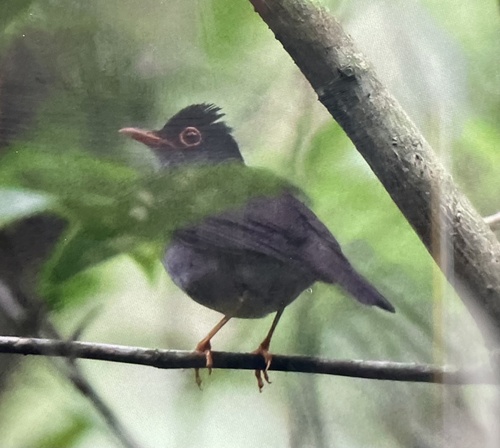 slaty-backed nightingale-thrush
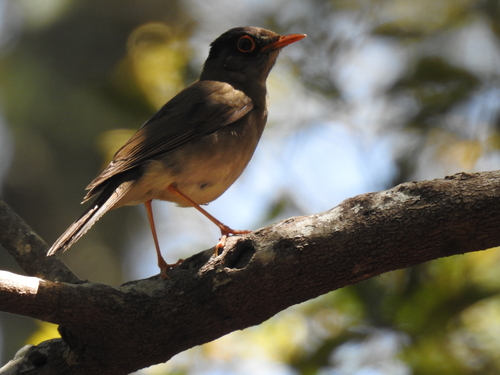 black-headed nightingale-thrush
Em resumo
O slaty-backed nightingale-thrush é distinguido por sua plumagem cinza escuro e slate e íris branca conspícua, enquanto o black-headed nightingale-thrush apresenta uma coroa preta e partes inferiores cinza-claro. Ambas as espécies têm um bico laranja brilhante, mas o slaty-backed é mais esquivo, frequentemente permanecendo escondido na vegetação densa da floresta.
Dicas de identificação
- Procure pela íris branca no slaty-backed nightingale-thrush. 2. Verifique a coroa preta no black-headed nightingale-thrush. 3. Note as partes inferiores cinza-claro do black-headed nightingale-thrush. 4. Observe o comportamento: o slaty-backed é mais esquivo, enquanto o black-headed pode ser ouvido cantando.
Plumagem
O slaty-backed nightingale-thrush tem uma coloração cinza escuro e slate com uma íris branca, enquanto o black-headed nightingale-thrush é caracterizado por uma coroa preta e partes inferiores cinza-claro. Ambas as espécies compartilham um bico laranja brilhante.
Comportamento
O slaty-backed nightingale-thrush é extremamente tímido, permanecendo próximo ao solo em florestas escuras. Em contraste, o black-headed nightingale-thrush pode forragear perto de beiras de estrada e é mais provável de ser detectado por seu canto.
Habitat
Ambas as espécies habitam áreas florestais, mas o slaty-backed nightingale-thrush é mais restrito a florestas escuras, enquanto o black-headed nightingale-thrush pode ser encontrado em florestas de montanha e às vezes em altitudes mais baixas durante a estação não reprodutiva.
Voz
O black-headed nightingale-thrush pode ser detectado por seu canto fino e semelhante a uma flauta, que não é mencionado para o slaty-backed nightingale-thrush.
slaty-backed nightingale-thrush · black-headed nightingale-thrush · Minhas aves difíceis