
Charrán Sombrío vs Fumarel Cariblanco
Onychoprion fuscatus frente a Chlidonias hybrida
Juega un quiz con Charrán Sombrío y Fumarel Cariblanco
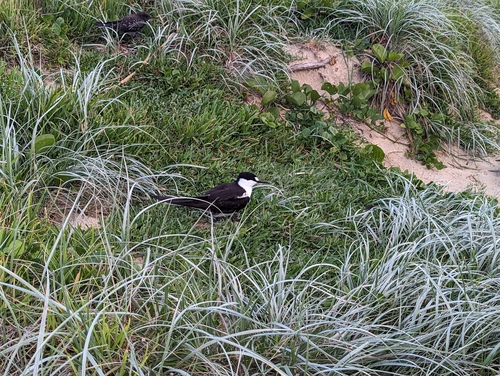 Charrán Sombrío
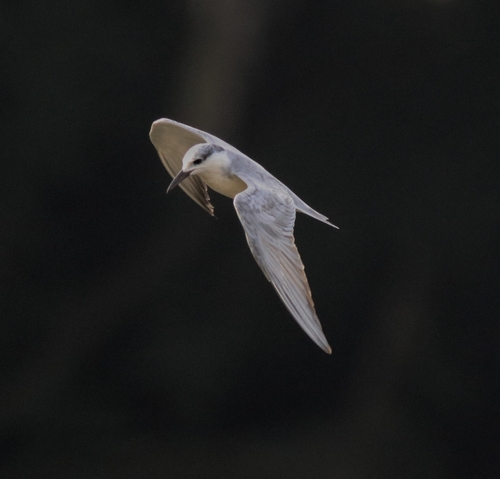 Fumarel Cariblanco
En breve
El Charrán Sombrío y el Fumarel Cariblanco se pueden distinguir por su plumaje y comportamiento. El Charrán Sombrío es predominantemente negro y blanco con una apariencia elegante, mientras que el Fumarel Cariblanco tiene un plumaje más variado con tonos grises y blancos y una distintiva gorra negra durante la reproducción. Comportamentalmente, el Charrán Sombrío es más oceánico, a menudo visto lejos de la costa, mientras que el Fumarel Cariblanco es más probable que se encuentre en humedales interiores o costeros.
Consejos de identificación
Charrán Sombrío: Busca plumaje negro y blanco, gorra negra y comportamiento oceánico. Fumarel Cariblanco: Nota el plumaje gris con gorra negra y mejillas blancas, y su presencia en humedales. Observa el comportamiento y el hábitat para pistas adicionales.
Tamaño
El Fumarel Cariblanco es más pequeño, con una envergadura de 64–70 cm, en comparación con el más grande Charrán Sombrío.
Plumaje
El Charrán Sombrío tiene un plumaje negro y blanco marcado, con una gorra negra y frente blanca. El Fumarel Cariblanco muestra más tonos grises, con una gorra negra y mejillas blancas durante la reproducción, y un cuerpo gris pálido con un vientre más oscuro.
Comportamiento
El Charrán Sombrío es altamente pelágico, a menudo permaneciendo en el aire durante años y raramente visto en el agua. El Fumarel Cariblanco es más probable que se vea en humedales, mostrando un comportamiento típico de los charranes de zambullirse.
Hábitat
El Charrán Sombrío habita océanos tropicales y subtropicales, anidando en islas remotas. El Fumarel Cariblanco prefiere humedales interiores o costeros.
Voz
El Fumarel Cariblanco tiene un llamado más áspero, descrito como un 'kyick' o 'cherk' rasposo, mientras que los llamados del Charrán Sombrío a menudo se escuchan en colonias ruidosas.