
trinta-réis-das-rocas vs gaivina-dos-pauis
Onychoprion fuscatus versus Chlidonias hybrida
Jogue um quiz com trinta-réis-das-rocas e gaivina-dos-pauis
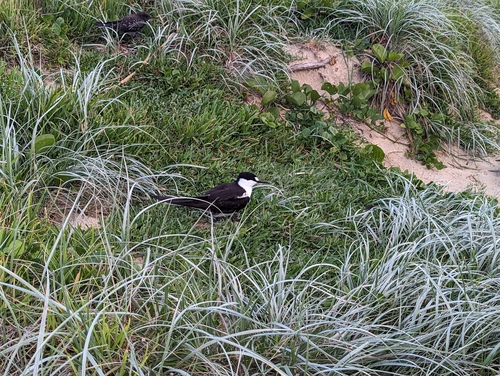 trinta-réis-das-rocas
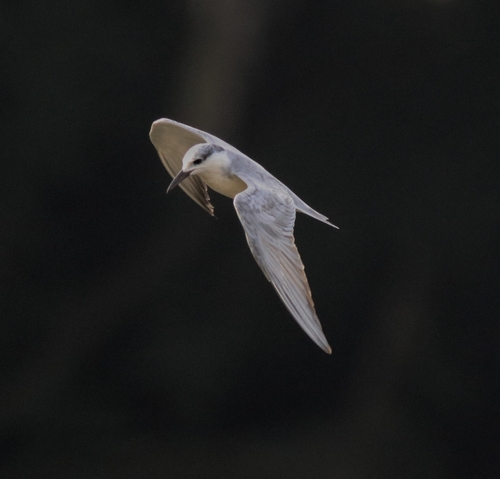 gaivina-dos-pauis
Em resumo
O trinta-réis-das-rocas e a gaivina-dos-pauis podem ser distinguidos por sua plumagem e comportamento. O trinta-réis-das-rocas é predominantemente preto e branco com uma aparência elegante, enquanto a gaivina-dos-pauis tem uma plumagem mais variada com tons de cinza e branco e uma distinta touca preta durante a reprodução. Comportamentalmente, o trinta-réis-das-rocas é mais oceânico, frequentemente visto longe da terra, enquanto a gaivina-dos-pauis é mais propensa a ser encontrada em áreas úmidas interiores ou costeiras.
Dicas de identificação
Trinta-réis-das-rocas: Procure por plumagem preta e branca, touca preta e comportamento oceânico. Gaivina-dos-pauis: Observe a plumagem cinza com touca preta e bochechas brancas, e a presença em áreas úmidas. Observe o comportamento e o habitat para pistas adicionais.
Tamanho
A gaivina-dos-pauis é menor, com uma envergadura de 64–70 cm, em comparação com o maior trinta-réis-das-rocas.
Plumagem
O trinta-réis-das-rocas tem uma plumagem preta e branca marcante, com uma touca preta e testa branca. A gaivina-dos-pauis apresenta mais tons de cinza, com uma touca preta e bochechas brancas durante a reprodução, e um corpo cinza claro com uma barriga mais escura.
Comportamento
O trinta-réis-das-rocas é altamente pelágico, frequentemente permanecendo no ar por anos e raramente visto na água. A gaivina-dos-pauis é mais propensa a ser vista em áreas úmidas, mostrando um comportamento típico de mergulho.
Habitat
O trinta-réis-das-rocas habita oceanos tropicais e subtropicais, nidificando em ilhas remotas. A gaivina-dos-pauis prefere áreas úmidas interiores ou costeiras.
Voz
A gaivina-dos-pauis tem um chamado mais áspero, descrito como um 'kyick' ou 'cherk' arranhado, enquanto os chamados do trinta-réis-das-rocas são frequentemente ouvidos em colônias barulhentas.
trinta-réis-das-rocas · gaivina-dos-pauis · Minhas aves difíceis