
Correlimos Cuchareta vs Mascarita Coronigrís
Calidris pygmaea frente a Geothlypis poliocephala
Juega un quiz con Correlimos Cuchareta y Mascarita Coronigrís
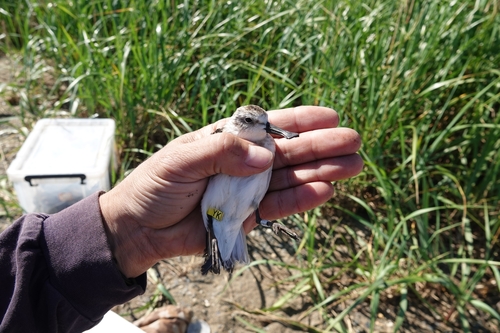 Correlimos Cuchareta
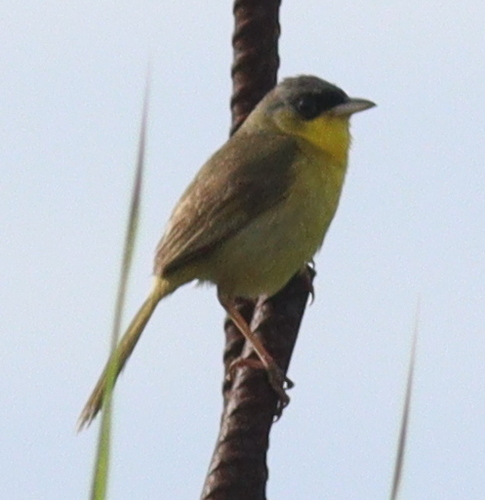 Mascarita Coronigrís
En breve
El Correlimos Cuchareta y la Mascarita Coronigrís se distinguen fácilmente por su estructura y preferencias de hábitat. El correlimos tiene un pico distintivo en forma de cuchara, mientras que la mascarita tiene un pico más típico de un curruca. También ocupan hábitats diferentes, con el correlimos favoreciendo los llanos de barro costeros y la mascarita encontrada en áreas herbáceas o arbustivas.
Consejos de identificación
Revisa la forma del pico: El Correlimos Cuchareta tiene un pico único en forma de cuchara, a diferencia del típico pico de curruca de la Mascarita Coronigrís. Considera el hábitat: Los correlimos se encuentran en llanos de barro costeros, mientras que las mascaritas prefieren áreas herbáceas o arbustivas. Observa el plumaje: Busca tonos rufo en los Correlimos Cuchareta en época de cría y la corona gris de la Mascarita Coronigrís.
Plumaje
El Correlimos Cuchareta muestra cambios estacionales en el plumaje, con los adultos en cría exhibiendo tonos rufo vibrantes y los juveniles teniendo más blanco en la cara. En contraste, la Mascarita Coronigrís típicamente tiene una corona gris y partes inferiores amarillas, sin variación estacional significativa.
Hábitat
Los Correlimos Cuchareta se encuentran típicamente en llanos de barro costeros, mientras que las Mascaritas Coronigrís habitan áreas herbáceas o arbustivas.
Correlimos Cuchareta · Mascarita Coronigrís · Mis aves difíciles