
spoon-billed sandpiper vs gray-crowned yellowthroat
Calidris pygmaea versus Geothlypis poliocephala
Jogue um quiz com spoon-billed sandpiper e gray-crowned yellowthroat
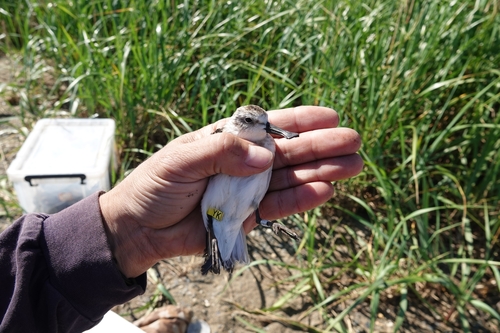 spoon-billed sandpiper
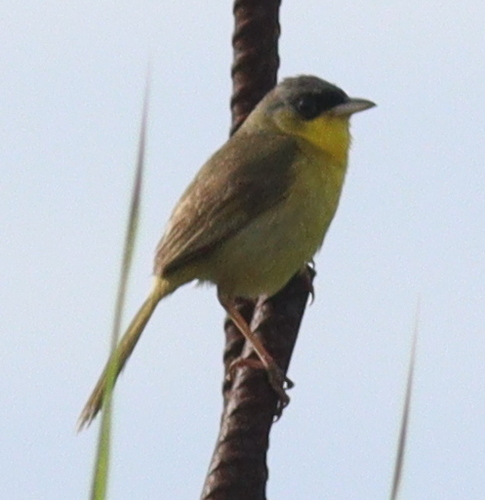 gray-crowned yellowthroat
Em resumo
O spoon-billed sandpiper e o gray-crowned yellowthroat são facilmente distinguidos por sua estrutura e preferências de habitat. O sandpiper tem um bico distintivo em forma de colher, enquanto o yellowthroat tem um bico mais típico de um papa-moscas. Eles também ocupam habitats diferentes, com o sandpiper preferindo mudflats costeiros e o yellowthroat encontrado em áreas gramadas ou arbustivas.
Dicas de identificação
Verifique a forma do bico: O spoon-billed sandpiper tem um bico em forma de colher único, ao contrário do bico típico do gray-crowned yellowthroat. Considere o habitat: Os sandpipers são encontrados em mudflats costeiros, enquanto os yellowthroats preferem áreas gramadas ou arbustivas. Observe a plumagem: Procure tons ruivos em spoon-billed sandpipers em reprodução e a coroa cinza do gray-crowned yellowthroat.
Plumagem
O spoon-billed sandpiper apresenta mudanças sazonais na plumagem, com adultos em reprodução exibindo tons ruivos vibrantes e juvenis tendo mais branco no rosto. Em contraste, o gray-crowned yellowthroat tipicamente tem uma coroa cinza e partes inferiores amarelas, sem variação sazonal significativa.
Habitat
Spoon-billed sandpipers são tipicamente encontrados em mudflats costeiros, enquanto gray-crowned yellowthroats habitam áreas gramadas ou arbustivas.
spoon-billed sandpiper · gray-crowned yellowthroat · Minhas aves difíceis