
Spoon-billed Sandpiper vs Gray-crowned Yellowthroat
Calidris pygmaea contro Geothlypis poliocephala
Fai un quiz con Spoon-billed Sandpiper e Gray-crowned Yellowthroat
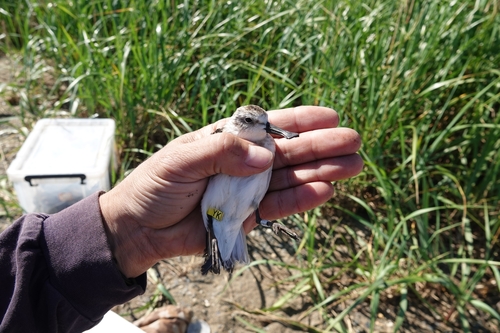 Spoon-billed Sandpiper
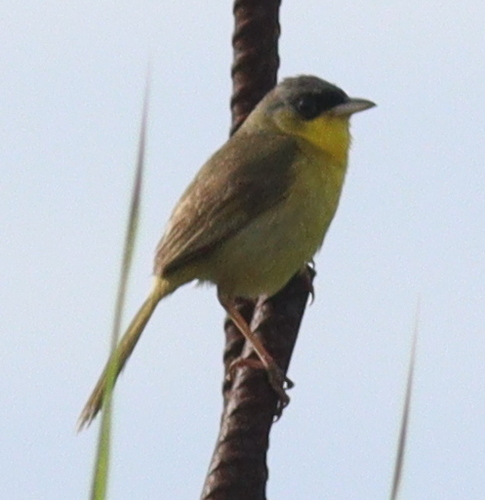 Gray-crowned Yellowthroat
In breve
Il Spoon-billed Sandpiper e il Gray-crowned Yellowthroat sono facilmente distinguibili per la loro struttura e le preferenze di habitat. Il sandpiper ha un becco distintivo a forma di cucchiaio, mentre il yellowthroat ha un becco più tipico da warbler. Occupano anche habitat diversi, con il sandpiper che predilige le zone umide costiere e il yellowthroat che si trova in aree erbose o cespugliose.
Consigli di identificazione
Controlla la forma del becco: Il Spoon-billed Sandpiper ha un becco unico a forma di cucchiaio, a differenza del becco tipico del Gray-crowned Yellowthroat. Considera l'habitat: I sandpiper si trovano nelle zone umide costiere, mentre i yellowthroat preferiscono aree erbose o cespugliose. Osserva il piumaggio: Cerca toni rugginosi nei Spoon-billed Sandpiper in riproduzione e la corona grigia del Gray-crowned Yellowthroat.
Piumaggio
Il Spoon-billed Sandpiper mostra cambiamenti stagionali nel piumaggio, con gli adulti in riproduzione che mostrano toni rugginosi vivaci e i giovani che hanno più bianco sul viso. Al contrario, il Gray-crowned Yellowthroat ha tipicamente una corona grigia e parti inferiori gialle, senza variazione stagionale significativa.
Habitat
I Spoon-billed Sandpiper si trovano tipicamente nelle zone umide costiere, mentre i Gray-crowned Yellowthroat abitano aree erbose o cespugliose.
Spoon-billed Sandpiper · Gray-crowned Yellowthroat · I miei uccelli difficili