
Correlimos Zancolín vs Correlimos Dedilargo
Calidris himantopus frente a Calidris subminuta
Juega un quiz con Correlimos Zancolín y Correlimos Dedilargo
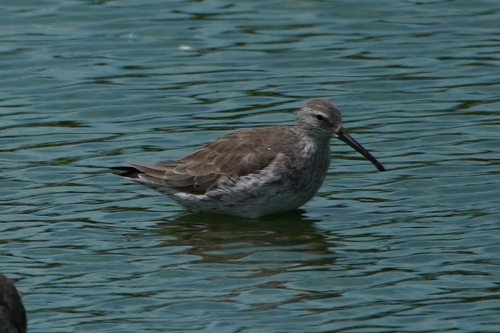 Correlimos Zancolín
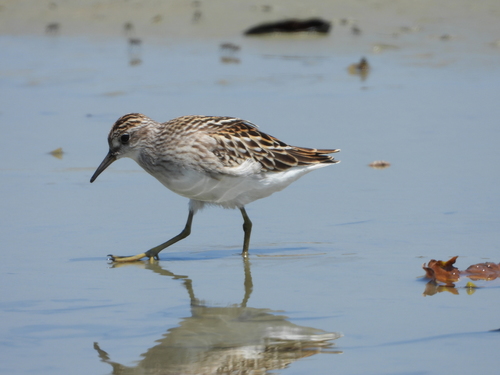 Correlimos Dedilargo
En breve
El Correlimos Zancolín y el Correlimos Dedilargo se pueden distinguir por sus diferencias estructurales: el Correlimos Zancolín tiene patas más largas y un cuello más alargado en comparación con el Correlimos Dedilargo, que es más pequeño y compacto. En vuelo, los dedos del Correlimos Dedilargo sobresalen más allá de la cola, a diferencia del Correlimos Zancolín.
Consejos de identificación
- Busca las patas y el cuello más largos del Correlimos Zancolín en comparación con la forma compacta del Correlimos Dedilargo.
- En vuelo, verifica si los dedos sobresalen más allá de la cola; esta es una característica del Correlimos Dedilargo.
- Nota la presencia de una cabeza y cobertoras auriculares rufo en el Correlimos Dedilargo, ausentes en el Correlimos Zancolín.
- Escucha los llamados trinos y rodantes del Correlimos Dedilargo.
Tamaño
El Correlimos Zancolín es generalmente más grande con patas y cuello más largos, mientras que el Correlimos Dedilargo es más pequeño y compacto.
Plumaje
El Correlimos Zancolín carece de la cabeza y cobertoras auriculares rufo que se ven en el Correlimos Dedilargo. El Correlimos Dedilargo tiene un supercilio blanquecino prominente y un pecho con tinte rufo, mientras que el Correlimos Zancolín no presenta estas características.
Voz
Los llamados del Correlimos Dedilargo incluyen un trino “chee” o “prrrt” y un suave rodante “kurrip”, que no se mencionan para el Correlimos Zancolín.
Correlimos Zancolín · Correlimos Dedilargo · Mis aves difíciles