
Correlimos Batitú vs Azulillo Lapislázuli
Bartramia longicauda frente a Passerina amoena
Juega un quiz con Correlimos Batitú y Azulillo Lapislázuli
 Correlimos Batitú
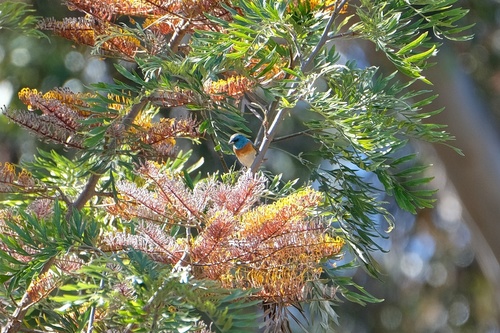 Azulillo Lapislázuli
En breve
El Correlimos Batitú y el Azulillo Lapislázuli se distinguen fácilmente por su hábitat y apariencia. El Correlimos Batitú es un ave playera con patas largas y un cuerpo delgado y alargado, mientras que el Azulillo Lapislázuli es un pequeño y colorido pájaro cantor que a menudo se encuentra en hábitats arbustivos.
Consejos de identificación
1. Hábitat: Busca Correlimos Batitús en campos abiertos y praderas, mientras que los Azulillos Lapislázuli son más propensos a estar en áreas arbustivas o en comederos. 2. Tamaño y Forma: Los Correlimos Batitús son más grandes con patas largas; los Azulillos Lapislázuli son pequeños y compactos. 3. Plumaje: Nota el brillante azul y naranja del Azulillo Lapislázuli en comparación con los tonos más apagados del Correlimos Batitú.
Tamaño
El Correlimos Batitú es significativamente más grande que el Azulillo Lapislázuli, con un cuerpo más alargado y patas más largas.
Plumaje
El Correlimos Batitú tiene un plumaje más apagado, marrón y beige, típico de las aves playeras, mientras que el Azulillo Lapislázuli, especialmente el macho, es conocido por su brillante plumaje azul y su pecho naranja contrastante.
Hábitat
Los Correlimos Batitús se encuentran típicamente en praderas y campos abiertos, mientras que los Azulillos Lapislázuli frecuentan hábitats arbustivos y a menudo se ven en comederos para aves.
Voz
El Azulillo Lapislázuli es un cantante persistente con una canción variada, mientras que las vocalizaciones del Correlimos Batitú no se destacan por su complejidad.
Correlimos Batitú · Azulillo Lapislázuli · Mis aves difíciles