
Piro piro codalunga vs Lazuli Bunting
Bartramia longicauda contro Passerina amoena
Fai un quiz con Piro piro codalunga e Lazuli Bunting
 Piro piro codalunga
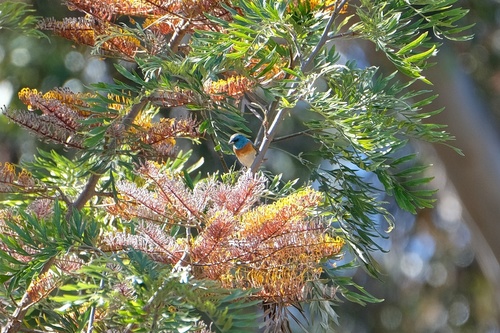 Lazuli Bunting
In breve
Il Piro piro codalunga e il Lazuli Bunting si distinguono facilmente per il loro habitat e aspetto. Il Piro piro codalunga è un uccello di riva con lunghe gambe e un corpo snello ed allungato, mentre il Lazuli Bunting è un piccolo uccello canoro colorato che si trova spesso in habitat cespugliosi.
Consigli di identificazione
1. Habitat: Cerca i Piro piro codalunga in campi aperti e praterie, mentre i Lazuli Bunting sono più probabili in aree cespugliose o presso mangiatoie. 2. Dimensione e Forma: I Piro piro codalunga sono più grandi con lunghe gambe; i Lazuli Bunting sono piccoli e compatti. 3. Piumaggio: Nota il blu brillante e l'arancione del Lazuli Bunting rispetto ai toni più tenui del Piro piro codalunga.
Taglia
Il Piro piro codalunga è significativamente più grande del Lazuli Bunting, con un corpo più allungato e gambe più lunghe.
Piumaggio
Il Piro piro codalunga ha un piumaggio più attenuato, marrone e beige, tipico degli uccelli di riva, mentre il Lazuli Bunting, specialmente il maschio, è noto per il suo piumaggio blu brillante e il petto arancione a contrasto.
Habitat
I Piro piro codalunga si trovano tipicamente in praterie aperte e campi, mentre i Lazuli Bunting frequentano habitat cespugliosi e sono spesso visti presso mangiatoie per uccelli.
Voce
Il Lazuli Bunting è un cantante persistente con un canto variegato, mentre le vocalizzazioni del Piro piro codalunga non sono note per la loro complessità.
Piro piro codalunga · Lazuli Bunting · I miei uccelli difficili