Birdr

Ánade Gargantillo vs Pato Picazo

Anas bahamensis frente a Netta peposaca

Juega un quiz con Ánade Gargantillo y Pato Picazo
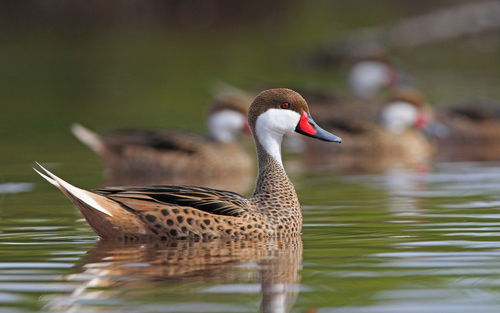
Ánade Gargantillo (Anas bahamensis) Ánade Gargantillo
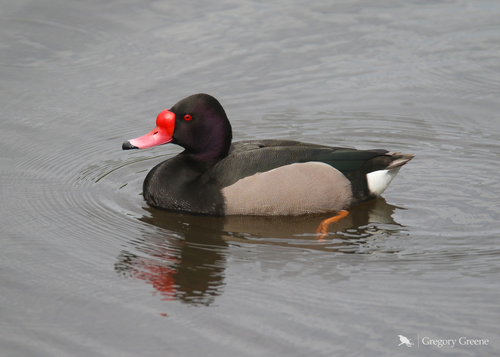
Pato Picazo (Netta peposaca) Pato Picazo

Medios

Cargando…

En breve

El Ánade Gargantillo y el Pato Picazo se pueden distinguir por sus preferencias de hábitat y plumaje. El Ánade Gargantillo se encuentra típicamente en aguas costeras o salobres, mientras que el Pato Picazo es un buceador de agua dulce con primarias y secundarias blancas distintivas.

Consejos de identificación

Verifica el hábitat: Los Ánades Gargantillo son más propensos a estar en áreas costeras, mientras que los Patos Picazo se encuentran en ambientes de agua dulce. Busca marcas blancas en las alas: Los Patos Picazo tienen primarias y secundarias blancas distintivas. Observa el comportamiento: Los Patos Picazo bucean con frecuencia, a diferencia de los Ánades Gargantillo.

Plumaje

El Pato Picazo tiene un contraste llamativo entre su cuerpo oscuro y sus primarias y secundarias blancas, lo cual no está presente en el Ánade Gargantillo.

Comportamiento

El Pato Picazo es un buceador, mientras que el Ánade Gargantillo no es conocido por su comportamiento de buceo.

Hábitat

Los Ánades Gargantillo se encuentran típicamente en aguas costeras o salobres, mientras que los Patos Picazo prefieren hábitats de agua dulce con abundante vegetación emergente.

Enviar una descripción mejor

Usa las mismas secciones que la comparación. El texto se publica al momento.

The White-cheeked Pintail and Rosy-billed Pochard can be distinguished by their habitat preferences and plumage. The White-cheeked Pintail is typically found in coastal or brackish waters, while the Rosy-billed Pochard is a freshwater diver with distinctive white primaries and secondaries.

Check habitat: White-cheeked Pintails are more likely in coastal areas, while Rosy-billed Pochards are found in freshwater environments. Look for white wing markings: Rosy-billed Pochards have distinctive white primaries and secondaries. Observe behavior: Rosy-billed Pochards dive frequently, unlike White-cheeked Pintails.

The Rosy-billed Pochard has a striking contrast between its dark body and white primaries and secondaries, which is not present in the White-cheeked Pintail.

The Rosy-billed Pochard is a diver, whereas the White-cheeked Pintail is not noted for diving behavior.

White-cheeked Pintails are typically found in coastal or brackish waters, while Rosy-billed Pochards prefer freshwater habitats with ample emergent vegetation.

¿Descartar los cambios?

Tienes ediciones sin guardar. Si sales ahora, se perderán.

Ánade Gargantillo · Pato Picazo · Mis aves difíciles