Birdr

White-cheeked Pintail vs Rosy-billed Pochard

Anas bahamensis versus Netta peposaca

Play a quiz with White-cheeked Pintail and Rosy-billed Pochard
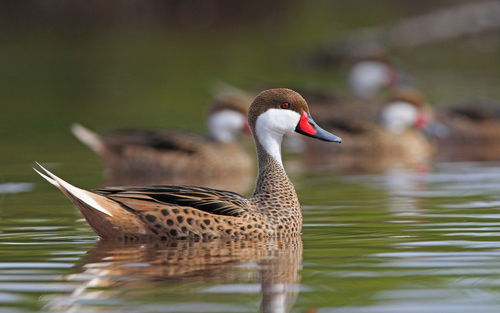
White-cheeked Pintail (Anas bahamensis) White-cheeked Pintail
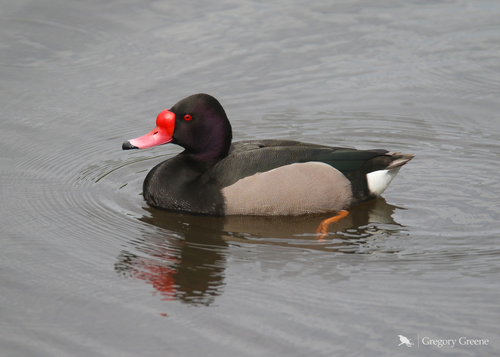
Rosy-billed Pochard (Netta peposaca) Rosy-billed Pochard

Media

Loading…

In short

The White-cheeked Pintail and Rosy-billed Pochard are both waterfowl, but they differ significantly in structure and habitat preference. The White-cheeked Pintail is a dabbling duck with distinctive white cheeks, while the Rosy-billed Pochard is a diving duck with a striking rosy bill. Observing their behavior and habitat can help distinguish them.

Identification tips

1. Bill Color: Look for the rosy bill in Rosy-billed Pochard males. 2. Cheek Markings: White-cheeked Pintail has a distinctive white cheek patch. 3. Behavior: Note if the duck is dabbling or diving. 4. Habitat:** Consider the type of water body; coastal for Pintail, freshwater for Pochard.

Size

White-cheeked Pintail is generally smaller and more slender compared to the bulkier Rosy-billed Pochard.

Plumage

The White-cheeked Pintail has a distinctive white cheek patch and a more uniform brown body. In contrast, the Rosy-billed Pochard has a dark head and body with contrasting white primaries and secondaries, and a rosy bill in males.

Behaviour

White-cheeked Pintail is a dabbling duck, often seen tipping forward in shallow water. Rosy-billed Pochard is a diving duck, frequently submerging completely to forage.

Habitat

White-cheeked Pintail is typically found in shallow, coastal lagoons and ponds. Rosy-billed Pochard prefers freshwater lakes and ponds with ample emergent vegetation.

Submit a better description

Use the same sections as the comparison. Your text is published immediately.

The White-cheeked Pintail and Rosy-billed Pochard are both waterfowl, but they differ significantly in structure and habitat preference. The White-cheeked Pintail is a dabbling duck with distinctive white cheeks, while the Rosy-billed Pochard is a diving duck with a striking rosy bill. Observing their behavior and habitat can help distinguish them.

1. Bill Color: Look for the rosy bill in Rosy-billed Pochard males. 2. Cheek Markings: White-cheeked Pintail has a distinctive white cheek patch. 3. Behavior: Note if the duck is dabbling or diving. 4. Habitat:** Consider the type of water body; coastal for Pintail, freshwater for Pochard.

White-cheeked Pintail is generally smaller and more slender compared to the bulkier Rosy-billed Pochard.

The White-cheeked Pintail has a distinctive white cheek patch and a more uniform brown body. In contrast, the Rosy-billed Pochard has a dark head and body with contrasting white primaries and secondaries, and a rosy bill in males.

White-cheeked Pintail is a dabbling duck, often seen tipping forward in shallow water. Rosy-billed Pochard is a diving duck, frequently submerging completely to forage.

White-cheeked Pintail is typically found in shallow, coastal lagoons and ponds. Rosy-billed Pochard prefers freshwater lakes and ponds with ample emergent vegetation.

Discard your changes?

You have unsaved edits. If you leave now, those changes will be lost.

White-cheeked Pintail · Rosy-billed Pochard · My Tricky Birds