
Codone delle Bahamas vs Fistione beccorosa
Anas bahamensis contro Netta peposaca
Fai un quiz con Codone delle Bahamas e Fistione beccorosa
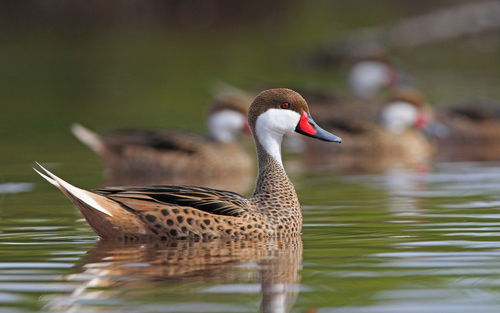 Codone delle Bahamas
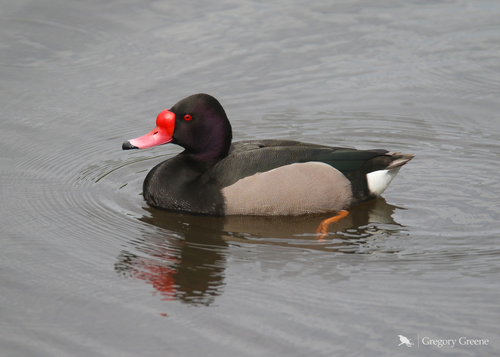 Fistione beccorosa
In breve
Il Codone delle Bahamas e il Fistione beccorosa possono essere distinti dalle loro preferenze di habitat e dal piumaggio. Il Codone delle Bahamas si trova tipicamente in acque costiere o salmastre, mentre il Fistione beccorosa è un subacqueo d'acqua dolce con primarie e secondarie bianche distintive.
Consigli di identificazione
Check habitat: I Codoni delle Bahamas sono più probabili nelle aree costiere, mentre i Fistioni beccorosa si trovano in ambienti d'acqua dolce. Look for white wing markings: I Fistioni beccorosa hanno primarie e secondarie bianche distintive. Observe behavior: I Fistioni beccorosa immergono frequentemente, a differenza dei Codoni delle Bahamas.
Piumaggio
Il Fistione beccorosa ha un contrasto sorprendente tra il suo corpo scuro e le primarie e secondarie bianche, che non è presente nel Codone delle Bahamas.
Comportamento
Il Fistione beccorosa è un subacqueo, mentre il Codone delle Bahamas non è noto per il comportamento di immersione.
Habitat
I Codoni delle Bahamas si trovano tipicamente in acque costiere o salmastre, mentre i Fistioni beccorosa preferiscono habitat d'acqua dolce con abbondante vegetazione emergente.
Codone delle Bahamas · Fistione beccorosa · I miei uccelli difficili