
Mosquero Ventriamarillo vs Mosquero Alisero
Empidonax flaviventris frente a Empidonax alnorum
Juega un quiz con Mosquero Ventriamarillo y Mosquero Alisero
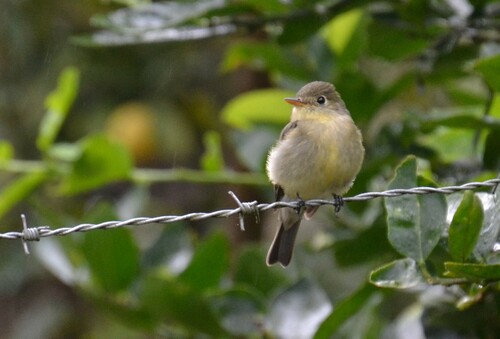 Mosquero Ventriamarillo
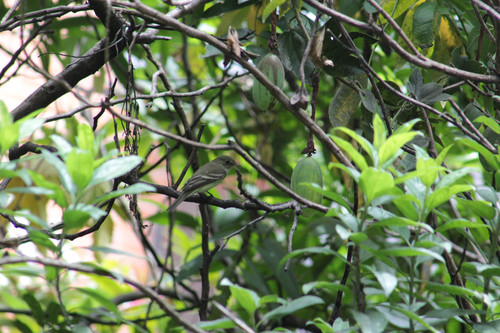 Mosquero Alisero
En breve
El Mosquero Ventriamarillo y el Mosquero Alisero son ambos pequeños y esquivos mosqueros Empidonax que pueden ser difíciles de distinguir. La forma más confiable de diferenciarlos es por sus vocalizaciones, ya que las diferencias visuales son sutiles. La preferencia de hábitat también puede proporcionar pistas, especialmente durante la temporada de cría.
Consejos de identificación
- Escucha las vocalizaciones: la canción del Mosquero Alisero es distinta y clave para la identificación. 2. Considera el hábitat: los Mosqueros Ventriamarillo se encuentran en bosques musgosos, mientras que los Mosqueros Alisero están en humedales boreales y arbustivos. 3. Usa el plumaje con precaución: el Mosquero Ventriamarillo puede mostrar más amarillo en el vientre, pero esto no siempre es confiable.
Plumaje
Ambas especies tienen plumaje similar, con el Mosquero Ventriamarillo teniendo un lavado amarillo ligeramente más pronunciado en el vientre. Sin embargo, esta no es una marca de campo confiable debido a la variación y las condiciones de iluminación.
Hábitat
El Mosquero Ventriamarillo prefiere bosques musgosos en su rango de cría, mientras que el Mosquero Alisero se encuentra más a menudo en regiones boreales del norte, a menudo en arbustos que crecen en áreas húmedas y fangosas.
Voz
Las vocalizaciones son la forma más confiable de distinguir estas especies. El Mosquero Ventriamarillo tiene una voz suave que puede confundirse con otras especies, mientras que el Mosquero Alisero tiene una canción distintiva que fue clave en su separación del Mosquero Saucero.
Mosquero Ventriamarillo · Mosquero Alisero · Mis aves difíciles