
yellow-bellied flycatcher vs papa-moscas-de-alder
Empidonax flaviventris versus Empidonax alnorum
Jogue um quiz com yellow-bellied flycatcher e papa-moscas-de-alder
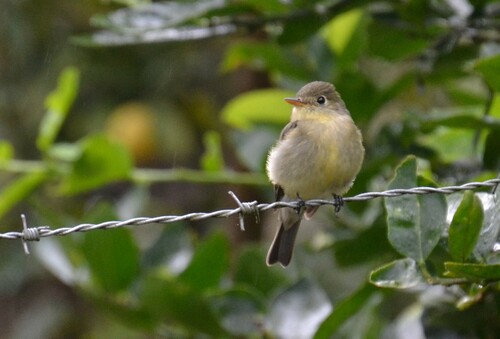 yellow-bellied flycatcher
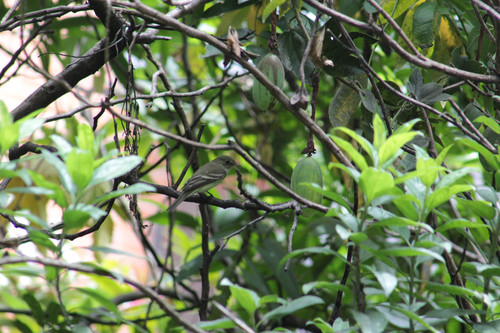 papa-moscas-de-alder
Em resumo
O yellow-bellied flycatcher e o papa-moscas-de-alder são ambos pequenos e evasivos empidonax que podem ser desafiadores de distinguir. A maneira mais confiável de diferenciá-los é por meio de suas vocalizações, já que as diferenças visuais são sutis. A preferência de habitat também pode fornecer pistas, especialmente durante a temporada de reprodução.
Dicas de identificação
- Ouça as vocalizações: a canção do papa-moscas-de-alder é distinta e chave para a identificação. 2. Considere o habitat: os yellow-bellied flycatchers são encontrados em florestas musgosas, enquanto os papa-moscas-de-alder estão em áreas úmidas e arbustivas boreais. 3. Use a plumagem com cautela: o yellow-bellied flycatcher pode mostrar mais amarelo na barriga, mas isso nem sempre é confiável.
Plumagem
Ambas as espécies têm plumagem semelhante, com o yellow-bellied flycatcher apresentando uma lavagem amarela ligeiramente mais pronunciada na barriga. No entanto, isso não é uma marca de campo confiável devido à variação e às condições de iluminação.
Habitat
O yellow-bellied flycatcher prefere florestas musgosas em sua área de reprodução, enquanto o papa-moscas-de-alder é mais frequentemente encontrado em regiões boreais do norte, muitas vezes em arbustos que crescem em áreas úmidas e lamacentas.
Voz
As vocalizações são a maneira mais confiável de distinguir essas espécies. O yellow-bellied flycatcher tem uma voz suave que pode ser confundida com outras espécies, enquanto o papa-moscas-de-alder tem uma canção distinta que foi chave para sua separação do maria-fibiu.
yellow-bellied flycatcher · papa-moscas-de-alder · Minhas aves difíceis