
Dendrocygne veuf vs Pluvier montagnard
Dendrocygna viduata contre Anarhynchus montanus
Faire un quiz avec Dendrocygne veuf et Pluvier montagnard
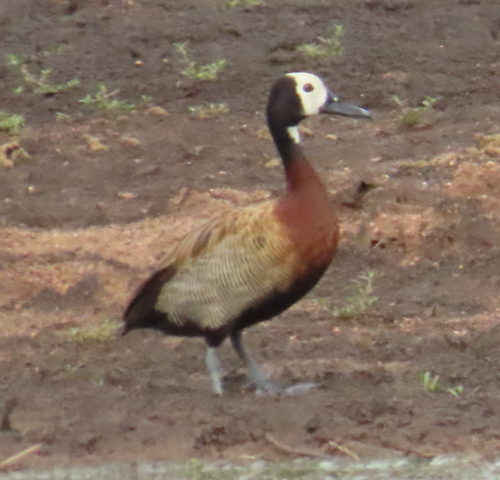 Dendrocygne veuf
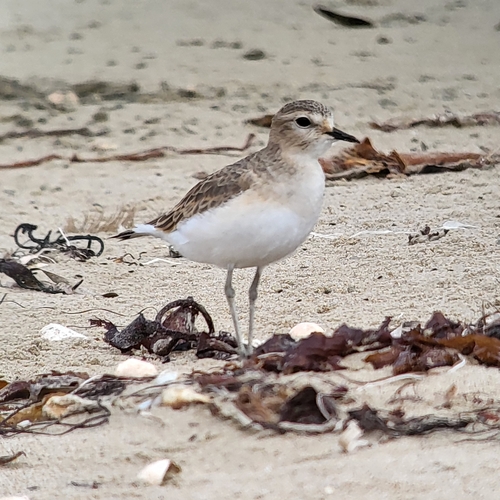 Pluvier montagnard
En bref
Le Dendrocygne veuf se distingue facilement par son visage et son cou blancs frappants, contrastant avec son corps sombre, tandis que le Pluvier montagnard est marqué de manière terne et se fond souvent dans son environnement. Le canard se trouve généralement près de l'eau, tandis que le pluvier préfère les prairies sèches et ouvertes.
Conseils d’identification
- Visage et cou blancs : Recherchez le visage blanc distinctif du Dendrocygne veuf.
- Habitat : Vérifiez l'environnement environnant ; les canards sont près de l'eau, les pluvier dans les prairies sèches.
- Comportement : Notez la tendance du pluvier à se tenir immobile lorsqu'il est dérangé.
Plumage
Le Dendrocygne veuf a un visage et un cou blancs distinctifs, avec un corps sombre et des flancs châtaigne. En revanche, le Pluvier montagnard est marqué de manière terne, ce qui l'aide à se fondre dans son habitat sec et ouvert.
Comportement
Le Pluvier montagnard fait souvent face à l'opposé des observateurs et se tient immobile lorsqu'il est dérangé, lui valant le surnom de 'Fantôme des Prairies'. Le Dendrocygne veuf ne présente pas ce comportement.
Habitat
Les Dendrocygnes veufs se trouvent près des plans d'eau, tandis que les Pluviers montagnards habitent des prairies sèches et ouvertes.
Dendrocygne veuf · Pluvier montagnard · Mes oiseaux difficiles