
Dendrocigna facciabianca vs Mountain Plover
Dendrocygna viduata contro Anarhynchus montanus
Fai un quiz con Dendrocigna facciabianca e Mountain Plover
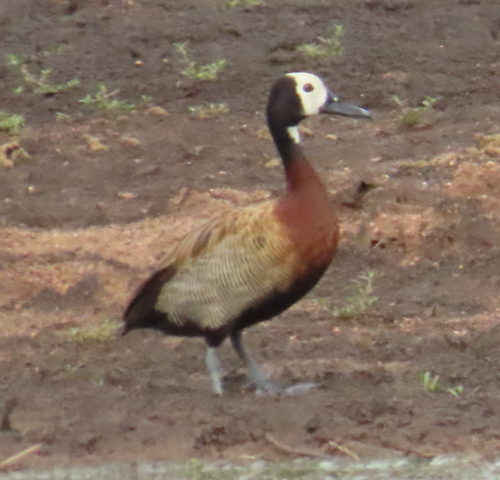 Dendrocigna facciabianca
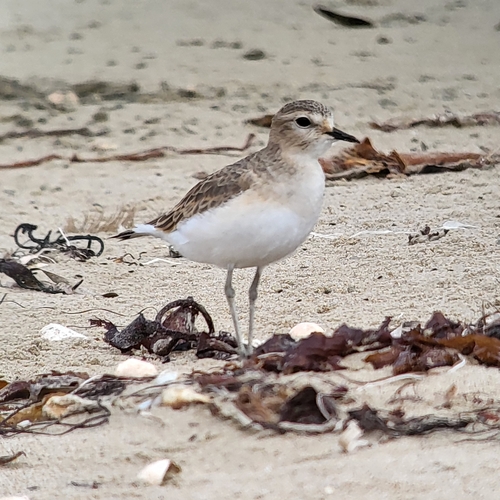 Mountain Plover
In breve
Il Dendrocigna facciabianca è facilmente distinguibile per il suo sorprendente volto e collo bianchi, in contrasto con il suo corpo scuro, mentre il Mountain Plover è marcato in modo sobrio e spesso si mimetizza nel suo ambiente. L'anatra si trova tipicamente vicino all'acqua, mentre il piviere preferisce le praterie asciutte e aperte.
Consigli di identificazione
- Volto e collo bianchi: Cerca il distintivo volto bianco del Dendrocigna facciabianca.
- Habitat: Controlla l'ambiente circostante; le anatre sono vicino all'acqua, i pivieri nelle praterie asciutte.
- Comportamento: Nota la tendenza del piviere a rimanere immobile quando disturbato.
Piumaggio
Il Dendrocigna facciabianca ha un distintivo volto e collo bianchi, con un corpo scuro e fianchi castani. Al contrario, il Mountain Plover è marcato in modo sobrio, il che lo aiuta a mimetizzarsi nel suo habitat asciutto e aperto.
Comportamento
Il Mountain Plover spesso si volta lontano dagli osservatori e si accovaccia immobile quando disturbato, guadagnandosi il soprannome di 'Fantasma della Prateria.' Il Dendrocigna facciabianca non mostra questo comportamento.
Habitat
I Dendrocigna facciabianca si trovano vicino ai corpi d'acqua, mentre i Mountain Plover abitano praterie asciutte e aperte.
Dendrocigna facciabianca · Mountain Plover · I miei uccelli difficili