
Black-banded Crake vs White-throated Crake
Rufirallus fasciatus contro Laterallus albigularis
Fai un quiz con Black-banded Crake e White-throated Crake
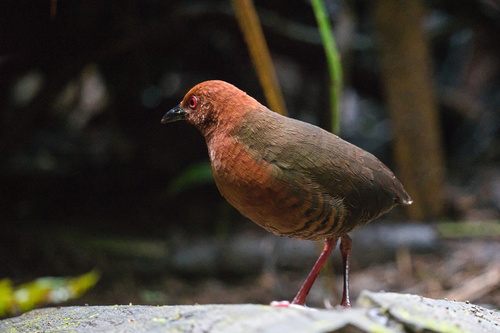 Black-banded Crake
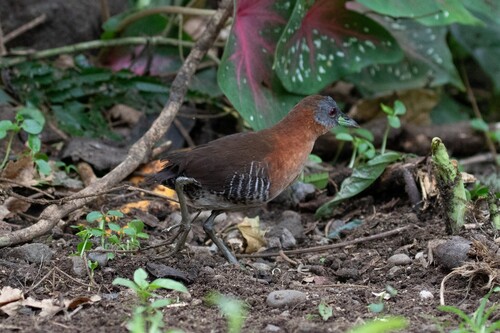 White-throated Crake
In breve
Il Black-banded Crake e il White-throated Crake possono essere distinti per il loro piumaggio e le preferenze di habitat. Il Black-banded Crake ha una testa e parti inferiori rugginose con ampie barre nere sui fianchi e sull'addome, mentre il White-throated Crake è noto per la sua gola bianca. L'habitat è anche un fattore chiave di differenziazione, poiché il Black-banded Crake preferisce l'erba alta e umida o le aree paludose vicino ai fiumi, mentre il White-throated Crake è più adattabile.
Consigli di identificazione
Cerca la testa e le parti inferiori rugginose con barre nere sul Black-banded Crake, e la gola bianca sul White-throated Crake. Controlla l'habitat: i Black-banded Crakes si trovano spesso vicino ai fiumi in aree paludose.
Piumaggio
Il Black-banded Crake presenta una testa e parti inferiori rugginose con ampie barre nere sui fianchi e sull'addome. Al contrario, il White-throated Crake è caratterizzato dalla sua gola bianca, che è una caratteristica distintiva chiave.
Habitat
Il Black-banded Crake si trova tipicamente in erba alta e umida o vegetazione paludosa vicino ai fiumi, mentre il White-throated Crake è più adattabile a diversi ambienti.
Black-banded Crake · White-throated Crake · I miei uccelli difficili