Birdr

sanã-zebrada vs white-throated crake

Rufirallus fasciatus versus Laterallus albigularis

Jogue um quiz com sanã-zebrada e white-throated crake
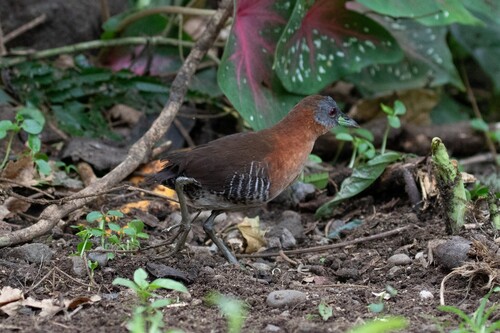
sanã-zebrada (Rufirallus fasciatus) sanã-zebrada
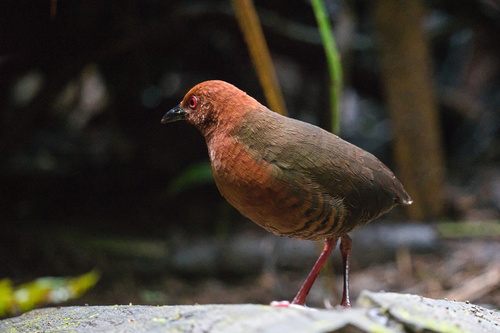
white-throated crake (Laterallus albigularis) white-throated crake

Mídia

Carregando…

Em resumo

A sanã-zebrada e o white-throated crake podem ser distinguidos por sua plumagem e preferências de habitat. A sanã-zebrada tem uma cabeça e partes inferiores ruivas distintas com largas faixas pretas nos flancos e na barriga, enquanto o white-throated crake é conhecido por sua garganta branca. O habitat também é um diferencial importante, já que a sanã-zebrada prefere gramados altos e úmidos ou áreas pantanosas perto de rios, enquanto o white-throated crake é mais adaptável.

Dicas de identificação

Procure pela cabeça e partes inferiores ruivas com faixas pretas na sanã-zebrada, e pela garganta branca no white-throated crake. Verifique o habitat: as sanãs-zebradas costumam estar perto de rios em áreas pantanosas.

Plumagem

A sanã-zebrada apresenta uma cabeça e partes inferiores ruivas com largas faixas pretas nos flancos e na barriga. Em contraste, o white-throated crake é caracterizado por sua garganta branca, que é uma característica distintiva importante.

Habitat

A sanã-zebrada é tipicamente encontrada em gramados altos e úmidos ou vegetação pantanosa próxima a rios, enquanto o white-throated crake é mais adaptável a diferentes ambientes.

Enviar uma descrição melhor

Use as mesmas seções da comparação. Seu texto é publicado na hora.

The Black-banded Crake and White-throated Crake can be distinguished by their plumage and habitat preferences. The Black-banded Crake has a distinctive rufous head and underparts with broad black bars on the flanks and belly, while the White-throated Crake is known for its white throat. Habitat is also a key differentiator, as the Black-banded Crake prefers tall wet grass or marshy areas near rivers, whereas the White-throated Crake is more adaptable.

Look for the rufous head and underparts with black bars on the Black-banded Crake, and the white throat on the White-throated Crake. Check the habitat: Black-banded Crakes are often near rivers in marshy areas.

The Black-banded Crake features a rufous head and underparts with broad black bars on the flanks and belly. In contrast, the White-throated Crake is characterized by its white throat, which is a key distinguishing feature.

The Black-banded Crake is typically found in tall wet grass or marshy vegetation close to rivers, while the White-throated Crake is more adaptable to different environments.

Descartar as alterações?

Você tem edições não salvas. Se sair agora, elas serão perdidas.

sanã-zebrada · white-throated crake · Minhas aves difíceis