
Dendrocigna beccorosso vs Ludwig's Bustard
Dendrocygna autumnalis contro Neotis ludwigii
Fai un quiz con Dendrocigna beccorosso e Ludwig's Bustard
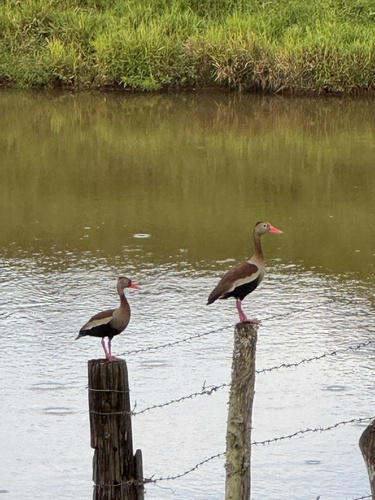 Dendrocigna beccorosso
 Ludwig's Bustard
In breve
Il Dendrocigna beccorosso e il Ludwig's Bustard sono facilmente distinguibili per la loro struttura e le preferenze di habitat. Il denderocigna è un'anatra acquatica con un collo e delle gambe distintivi e lunghi, mentre il bustardo è un grande uccello terrestre con un corpo robusto e un collo più corto. Osservare i loro ambienti preferiti aiuterà anche nell'identificazione.
Consigli di identificazione
1. Structure: Cerca il collo lungo e le gambe del Dendrocigna beccorosso, rispetto al corpo robusto e al collo più corto del Ludwig's Bustard. 2. Habitat: Controlla l'ambiente circostante; la presenza d'acqua suggerisce il denderocigna, mentre le aree aperte e secche suggeriscono il bustardo. 3. Plumage: Nota il ventre nero contrastante del denderocigna rispetto al piumaggio più uniforme e nei toni della terra del bustardo.
Taglia
Il Ludwig's Bustard è significativamente più grande e robusto del Dendrocigna beccorosso.
Piumaggio
Il Dendrocigna beccorosso ha un ventre nero sorprendente e un corpo castano, mentre il Ludwig's Bustard presenta un piumaggio più criptico e nei toni della terra adatto per il camuffamento in ambienti secchi.
Habitat
I Dendrocigna beccorosso si trovano tipicamente vicino a corpi d'acqua come stagni e paludi, mentre il Ludwig's Bustard abita paesaggi aperti aridi e semi-aridi.
Dendrocigna beccorosso · Ludwig's Bustard · I miei uccelli difficili