
Black-faced Cormorant vs Black-headed Honeyeater
Phalacrocorax fuscescens contro Melithreptus affinis
Fai un quiz con Black-faced Cormorant e Black-headed Honeyeater
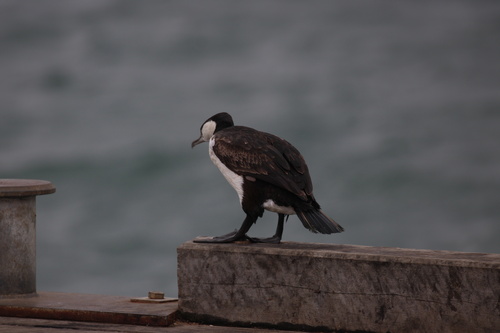 Black-faced Cormorant
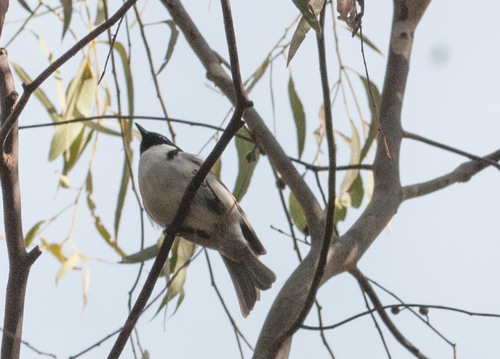 Black-headed Honeyeater
In breve
Il Black-faced Cormorant e il Black-headed Honeyeater sono facilmente distinguibili per il loro habitat e la loro struttura. Il cormorano è un uccello acquatico con un lungo collo e corpo, mentre il nettarin è un piccolo uccello canoro arboricolo. Osservare il loro ambiente e la forma del corpo li differenzierà rapidamente.
Consigli di identificazione
- Controlla l'habitat: acque costiere per i cormorani, foreste per i nettarini. 2. Osserva la forma del corpo: collo lungo per i cormorani, piccolo e compatto per i nettarini. 3. Nota il comportamento: nuotare/immergersi per i cormorani, volare tra gli alberi per i nettarini.
Taglia
Il Black-faced Cormorant è significativamente più grande con un lungo collo e corpo, mentre il Black-headed Honeyeater è piccolo e compatto.
Piumaggio
Il Black-faced Cormorant ha un piumaggio prevalentemente nero e bianco con un distintivo volto nero, mentre il Black-headed Honeyeater presenta una testa nera con parti inferiori bianche in contrasto.
Comportamento
Il Black-faced Cormorant è spesso visto nuotare o immergersi in acqua, mentre il Black-headed Honeyeater è tipicamente osservato volare tra alberi e arbusti.
Habitat
I Black-faced Cormorants si trovano in ambienti costieri e marini, mentre i Black-headed Honeyeaters abitano foreste e boschi.
Black-faced Cormorant · Black-headed Honeyeater · I miei uccelli difficili