
Black-throated Sparrow vs Lark Bunting
Amphispiza bilineata contro Calamospiza melanocorys
Fai un quiz con Black-throated Sparrow e Lark Bunting
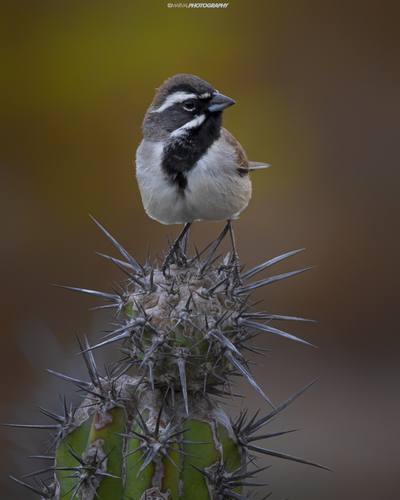 Black-throated Sparrow
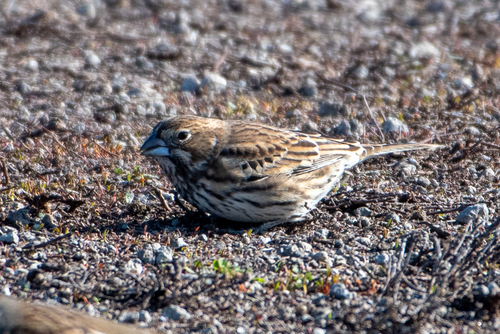 Lark Bunting
In breve
Il Black-throated Sparrow e il Lark Bunting possono essere distinti per il loro piumaggio e comportamento. Il Black-throated Sparrow ha una gola nera distintiva e un motivo facciale, mentre i maschi del Lark Bunting mostrano un piumaggio nero e bianco sorprendente durante la stagione di riproduzione. Comportamentalmente, i Lark Buntings sono più nomadi e spesso si trovano in grandi stormi.
Consigli di identificazione
1. Cerca la gola nera e il motivo facciale del Black-throated Sparrow. 2. Nota il piumaggio di riproduzione nero e bianco audace dei maschi del Lark Bunting. 3. Osserva il comportamento di stormo: i Lark Buntings si trovano spesso in grandi gruppi, specialmente in inverno. 4. Considera l'habitat: i Black-throated Sparrows sono più probabili in aree desertiche, mentre i Lark Buntings preferiscono le praterie.
Piumaggio
Il Black-throated Sparrow presenta una gola nera con un supercilium e una striscia malare bianchi a contrasto, dando un motivo facciale distintivo. Al contrario, i maschi del Lark Bunting in piumaggio di riproduzione sono prevalentemente neri con macchie bianche sulle ali, mentre le femmine e i maschi non in riproduzione sono più criptici con striature marroni.
Comportamento
I Lark Buntings sono noti per il loro comportamento nomade, formando spesso grandi stormi durante la stagione non riproduttiva. I Black-throated Sparrows sono più solitari o si trovano in gruppi più piccoli.
Habitat
I Lark Buntings preferiscono le praterie aperte e sono ben adattati agli habitat alterati dall'uomo, mentre i Black-throated Sparrows si trovano tipicamente in ambienti aridi e desertici.
Black-throated Sparrow · Lark Bunting · I miei uccelli difficili