
black-throated sparrow vs lark bunting
Amphispiza bilineata versus Calamospiza melanocorys
Jogue um quiz com black-throated sparrow e lark bunting
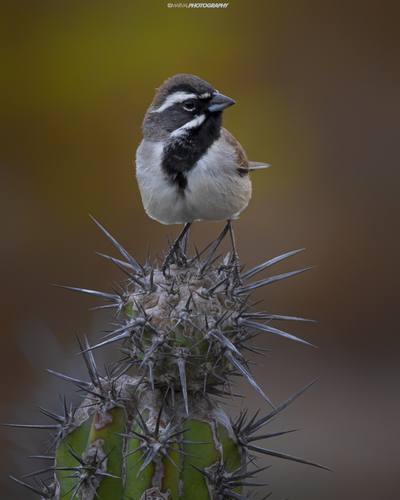 black-throated sparrow
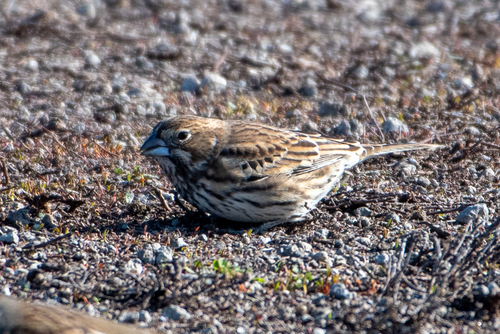 lark bunting
Em resumo
O black-throated sparrow e o lark bunting podem ser distinguidos por seu plumagem e comportamento. O black-throated sparrow tem uma garganta preta distinta e um padrão facial, enquanto os machos do lark bunting exibem uma plumagem preta e branca impressionante durante a temporada de reprodução. Comportamentalmente, os lark buntings são mais nomádicos e frequentemente encontrados em grandes bandos.
Dicas de identificação
1. Procure pela garganta preta e padrão facial do black-throated sparrow. 2. Note a ousada plumagem de reprodução preta e branca dos machos do lark bunting. 3. Observe o comportamento de agrupamento: os lark buntings costumam estar em grandes grupos, especialmente no inverno. 4. Considere o habitat: os black-throated sparrows são mais prováveis em áreas desérticas, enquanto os lark buntings preferem campos abertos.
Plumagem
O black-throated sparrow apresenta uma garganta preta com um supercílios e faixa malar brancos contrastantes, dando-lhe um padrão facial distinto. Em contraste, os machos do lark bunting em plumagem de reprodução são predominantemente pretos com manchas brancas nas asas, enquanto as fêmeas e os machos não-reprodutores são mais crípticos com listras marrons.
Comportamento
Os lark buntings são conhecidos por seu comportamento nômade, frequentemente formando grandes bandos durante a temporada não reprodutiva. Os black-throated sparrows são mais solitários ou encontrados em grupos menores.
Habitat
Os lark buntings preferem campos abertos e estão bem adaptados a habitats alterados pelo homem, enquanto os black-throated sparrows são tipicamente encontrados em ambientes áridos de arbustos e desertos.
black-throated sparrow · lark bunting · Minhas aves difíceis