Birdr

Botha's Lark vs Eastern Nicator

Spizocorys fringillaris contro Nicator gularis

Fai un quiz con Botha's Lark e Eastern Nicator
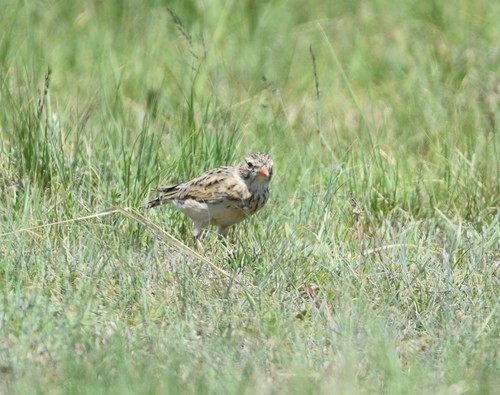
Botha's Lark (Spizocorys fringillaris) Botha's Lark
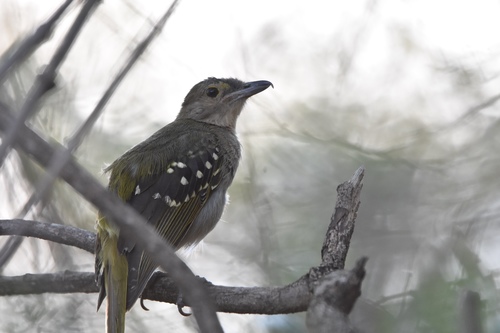
Eastern Nicator (Nicator gularis) Eastern Nicator

Media

Caricamento…

In breve

Botha's Lark e l'Eastern Nicator sono distinti sia nell'aspetto che nell'habitat. Botha's Lark è un piccolo uccello terrestre che si trova in prati aperti, mentre l'Eastern Nicator è una specie più grande e arborea che si trova in foreste dense. Il segno distintivo più affidabile è la loro preferenza per l'habitat: cerca Botha's Lark in aree aperte e l'Eastern Nicator in ambienti boschivi.

Consigli di identificazione

  1. Habitat: Controlla l'ambiente; Botha's Lark nei prati aperti, Eastern Nicator nelle foreste. 2. Size and Structure: Nota la dimensione più piccola e compatta di Botha's Lark rispetto all'Eastern Nicator più grande. 3. Plumage: Cerca il piumaggio più criptico di Botha's Lark rispetto al piumaggio più contrastante dell'Eastern Nicator.

Taglia

Botha's Lark è più piccolo e compatto rispetto all'Eastern Nicator più grande.

Piumaggio

Botha's Lark ha tipicamente un piumaggio più sobrio e criptico adatto al camouflage nei prati, mentre l'Eastern Nicator ha un piumaggio più contrastante e vibrante, spesso con segni più brillanti e più evidenti.

Comportamento

Botha's Lark è spesso visto a terra, foraggiando in aree aperte, mentre l'Eastern Nicator è più probabile trovarlo sugli alberi, mostrando un comportamento più arboreo.

Habitat

Botha's Lark preferisce i prati aperti, mentre l'Eastern Nicator si trova in foreste dense.

Invia una descrizione migliore

Usa le stesse sezioni del confronto. Il testo viene pubblicato subito.

Botha's Lark and the Eastern Nicator are distinct in both appearance and habitat. Botha's Lark is a small, ground-dwelling bird found in open grasslands, while the Eastern Nicator is a larger, more arboreal species found in dense forests. The most reliable field mark is their habitat preference: look for Botha's Lark in open areas and the Eastern Nicator in wooded environments.

  1. Habitat: Check the environment; Botha's Lark in open grasslands, Eastern Nicator in forests. 2. Size and Structure: Note the smaller, more compact size of Botha's Lark compared to the larger Eastern Nicator. 3. Plumage: Look for the more cryptic plumage of Botha's Lark versus the more contrasting plumage of the Eastern Nicator.

Botha's Lark is smaller and more compact compared to the larger Eastern Nicator.

Botha's Lark typically has a more subdued, cryptic plumage suited for grassland camouflage, whereas the Eastern Nicator has a more contrasting and vibrant plumage, often with brighter and more noticeable markings.

Botha's Lark is often seen on the ground, foraging in open areas, while the Eastern Nicator is more likely to be found in trees, exhibiting more arboreal behavior.

Botha's Lark prefers open grasslands, whereas the Eastern Nicator is found in dense forests.

Scartare le modifiche?

Hai modifiche non salvate. Se esci ora, andranno perse.

Botha's Lark · Eastern Nicator · I miei uccelli difficili