
botha's lark vs eastern nicator
Spizocorys fringillaris versus Nicator gularis
Jogue um quiz com botha's lark e eastern nicator
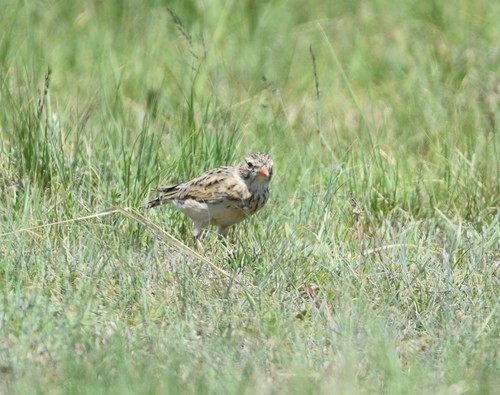 botha's lark
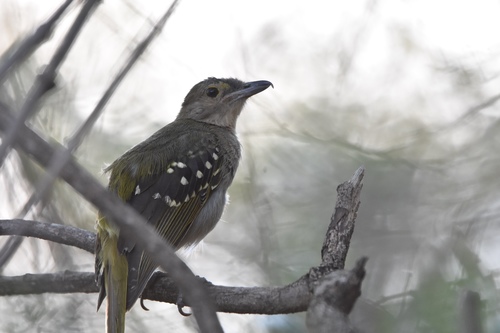 eastern nicator
Em resumo
A botha's lark e o eastern nicator são distintos tanto em aparência quanto em habitat. A botha's lark é um pequeno pássaro terrestre encontrado em campos abertos, enquanto o eastern nicator é uma espécie maior e mais arbórea encontrada em florestas densas. A marca de campo mais confiável é a preferência por habitat: procure a botha's lark em áreas abertas e o eastern nicator em ambientes arborizados.
Dicas de identificação
- Habitat: Verifique o ambiente; botha's lark em campos abertos, eastern nicator em florestas. 2. Tamanho e Estrutura: Note o tamanho menor e mais compacto da botha's lark em comparação com o maior eastern nicator. 3. Plumagem: Procure a plumagem mais críptica da botha's lark em contraste com a plumagem mais contrastante do eastern nicator.
Tamanho
A botha's lark é menor e mais compacta em comparação com o maior eastern nicator.
Plumagem
A botha's lark geralmente tem uma plumagem mais suave e críptica adequada para camuflagem em campos, enquanto o eastern nicator tem uma plumagem mais contrastante e vibrante, frequentemente com marcas mais brilhantes e notáveis.
Comportamento
A botha's lark é frequentemente vista no chão, forrageando em áreas abertas, enquanto o eastern nicator é mais provável de ser encontrado em árvores, exibindo um comportamento mais arbóreo.
Habitat
A botha's lark prefere campos abertos, enquanto o eastern nicator é encontrado em florestas densas.