
Eastern Bluebird vs Townsend's Solitaire
Sialia sialis contro Myadestes townsendi
Fai un quiz con Eastern Bluebird e Townsend's Solitaire
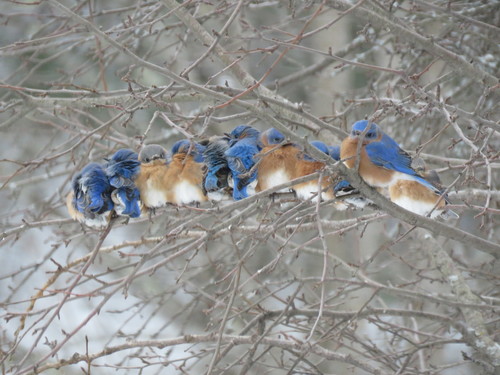 Eastern Bluebird
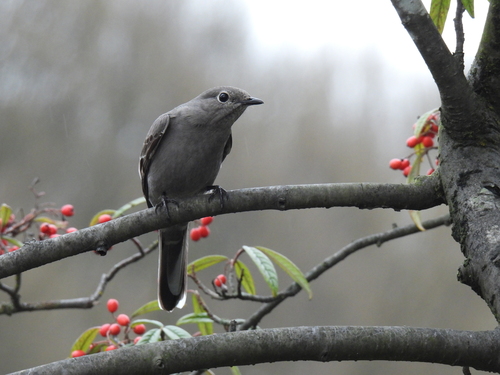 Townsend's Solitaire
In breve
Gli Eastern Bluebird e i Townsend's Solitaire possono essere distinti dal loro piumaggio e dalle preferenze di habitat. L'Eastern Bluebird è noto per il suo piumaggio blu e arancione vibrante, mentre il Townsend's Solitaire presenta una colorazione grigia più sobria con un anello oculare bianco. Anche le preferenze di habitat differiscono, con gli Eastern Bluebird che favoriscono aree aperte e modificate dall'uomo e i Townsend's Solitaire che si trovano in foreste conifere montane.
Consigli di identificazione
Plumage: Cerca il blu brillante e l'arancione dell'Eastern Bluebird rispetto al grigio del Townsend's Solitaire. Habitat: Considera l'ambiente; gli Eastern Bluebird si trovano in aree aperte, i Townsend's Solitaire in foreste montuose. Vocalization: Ascolta il canto complesso del Townsend's Solitaire, specialmente in inverno.
Piumaggio
Gli Eastern Bluebird hanno un piumaggio blu sorprendente con arancione sul petto, mentre i Townsend's Solitaire sono uniformemente grigi con un anello oculare bianco e marcature buff sottili sulle ali.
Comportamento
Gli Eastern Bluebird spesso si posano in aree aperte per cacciare insetti, mentre i Townsend's Solitaire sono noti per il loro comportamento territoriale in inverno, difendendo tratti di alberi di ginepro.
Habitat
Gli Eastern Bluebird si trovano comunemente in habitat aperti, spesso disturbati, mentre i Townsend's Solitaire preferiscono foreste conifere montane e scendono a quote più basse in inverno.
Voce
Gli Eastern Bluebird hanno un repertorio vario di canti e richiami, mentre i Townsend's Solitaire sono noti per il loro canto elaborato e bello, spesso udito in autunno e inverno.
Eastern Bluebird · Townsend's Solitaire · I miei uccelli difficili