
eastern bluebird vs townsend's solitaire
Sialia sialis versus Myadestes townsendi
Jogue um quiz com eastern bluebird e townsend's solitaire
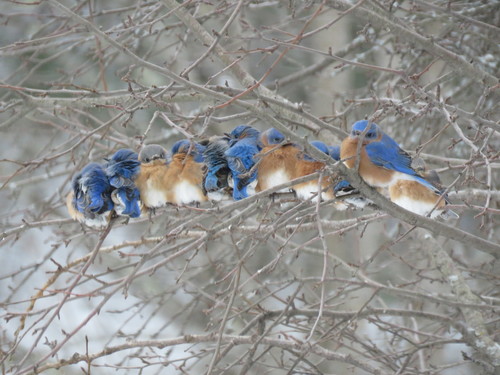 eastern bluebird
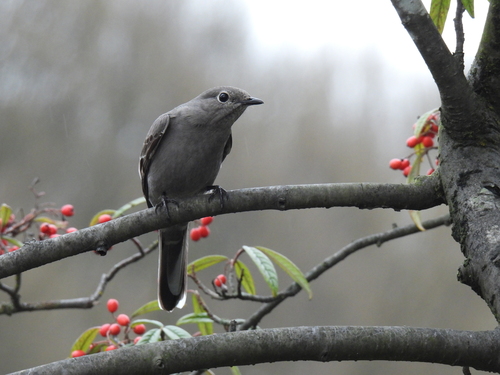 townsend's solitaire
Em resumo
eastern bluebirds e townsend's solitaires podem ser distinguidos por sua plumagem e preferências de habitat. O eastern bluebird é conhecido por sua plumagem vibrante azul e laranja, enquanto o townsend's solitaire apresenta uma coloração cinza mais suave com um anel ocular branco. As preferências de habitat também diferem, com os eastern bluebirds favorecendo áreas abertas e modificadas pelo homem e os townsend's solitaires encontrados em florestas coníferas montanhosas.
Dicas de identificação
Plumagem: Procure pelo azul brilhante e laranja do eastern bluebird em comparação ao cinza do townsend's solitaire. Habitat: Considere o ambiente; eastern bluebirds estão em áreas abertas, townsend's solitaires em florestas montanhosas. Vocalização: Ouça a canção complexa do townsend's solitaire, especialmente no inverno.
Plumagem
eastern bluebirds têm plumagem azul marcante com laranja no peito, enquanto townsend's solitaires são uniformemente cinzas com um anel ocular branco e marcas sutis em buff nas asas.
Comportamento
eastern bluebirds frequentemente pousam em áreas abertas para caçar insetos, enquanto townsend's solitaires são conhecidos por seu comportamento territorial no inverno, defendendo áreas de árvores de zimbro.
Habitat
eastern bluebirds são comumente encontrados em habitats abertos, frequentemente perturbados, enquanto townsend's solitaires preferem florestas coníferas montanhosas e descem para altitudes mais baixas no inverno.
Voz
eastern bluebirds têm um repertório variado de canções e chamados, enquanto townsend's solitaires são notados por sua canção elaborada e bonita, frequentemente ouvida no outono e no inverno.
eastern bluebird · townsend's solitaire · Minhas aves difíceis